



Table of contents
No headings found in this article.
Are you dreaming about a backyard koi pond with clear water, colorful fish, a relaxing waterfall, and maybe even a little bridge that makes you feel like you’ve entered your peaceful garden era?
You’re not alone.
I’ve seen it hundreds of times. A homeowner starts with a simple thought: “A koi pond would look great back here.” Then suddenly they’re comparing waterfall rocks, debating pond depth, wondering how many koi is too many koi, and trying to figure out why every filter online claims to be “the best.”
Let’s fix that.
A koi pond is not just a decorative hole full of water and fish. It is a living system. When it’s designed well, it becomes one of the best features in your yard. You get movement, sound, color, wildlife, and a peaceful place to sit while pretending you are “checking water quality.” Very serious business.
When it’s designed poorly, however, that peaceful dream can turn into cloudy water, stressed fish, algae problems, predator issues, and a filter that looks at your koi load and quietly gives up.
The goal is simple: build a koi pond that looks beautiful and actually works.
Below are koi pond ideas you can use for inspiration, plus the practical pond advice you need before you start stacking rocks and accidentally building a luxury fish hotel with bad plumbing.
Quick Answer: What Are the Best Koi Pond Ideas?
The best koi pond ideas combine good design with healthy water. Popular options include natural rock koi ponds, waterfall koi ponds, Japanese-style koi ponds, small backyard koi ponds, modern raised koi ponds, patio koi ponds, and ponds with bridges, plants, lighting, streams, or seating areas.
But here’s the kicker.
A good koi pond is not just about what you see. It also needs proper depth, strong filtration, good water movement, aeration, enough swimming room, and protection from predators.
Pretty is great. Pretty plus healthy water is the real win.
Before You Choose a Koi Pond Design
Before you fall in love with a waterfall, bridge, or perfect photo online, slow down and think about how the pond will actually function.
Ask yourself:
-
How much space do I really have?
-
How many koi do I want to keep?
-
Will the pond be deep enough?
-
Can the filtration handle the fish load?
-
Will there be enough oxygen and circulation?
-
Can I access the pump, filter, and skimmer without crawling through a shrub?
-
Do I want a low-maintenance pond or am I ready for a more involved setup?
This matters because koi are not tiny forever. They grow. They eat. They produce waste. And they are very good at exposing weak filtration systems.
A koi pond should be designed around the fish first, then dressed up with rocks, plants, waterfalls, and all the fun stuff.
Think of it like building a house. You need the foundation before you start worrying about curtains.
Or in this case, before you start worrying about whether the waterfall rock looks “natural enough.”
1. Natural Rock Koi Pond

A natural rock koi pond is one of the most popular koi pond ideas because it blends beautifully into the landscape. Instead of looking like a pond was dropped into your yard, it feels like it belongs there.
This style uses boulders, river rock, gravel, curved edges, and layered plants to create a soft, natural look. If you want your backyard to feel calm, organic, and less “concrete project,” this is a great direction.
The trick is to make the rockwork look natural. Use different sizes. Vary the shape. Avoid lining up identical rocks around the edge like a necklace around a puddle. Nature is many things, but she is not usually that symmetrical.
A natural rock pond also gives you places to hide equipment. Skimmers, plumbing, and other behind-the-scenes pond gear can often be tucked behind rockwork or planting areas.
Just remember: rocks create the look. Filtration keeps the pond alive. You need both.
2. Koi Pond with a Waterfall

A waterfall brings movement, sound, and life to your koi pond. It can turn a quiet backyard into a place you actually want to sit.
Waterfalls can also support oxygen exchange and circulation when designed correctly. That does not mean a waterfall replaces your filter. It does not. Moving water is helpful, but it is not magic.
Your waterfall may look like the hero, but your filter is the one doing the dirty work.
Literally.
A waterfall koi pond can be small and gentle, wide and smooth, or built as a multi-level cascade over natural stone. The size should match the pond. A tiny trickle can look sad on a large pond. A huge waterfall on a small pond can make your backyard sound like it is trying to become a theme park.
You want relaxing movement, not whitewater rafting for goldfish.
3. Small Backyard Koi Pond

If your yard is small, you can still have a beautiful koi pond. You just need to plan carefully.
A small backyard koi pond works best when you keep things simple: good depth, strong filtration, clean circulation, and a realistic number of fish.
That last part is where people get into trouble.
Koi are easy to love and very easy to overbuy. You go in for a few fish, and suddenly you’re trying to justify eight koi in a pond that was really built for three. I get it. They’re colorful. They have personality. Some of them look like they know your secrets.
But overcrowding is one of the fastest ways to create water quality problems.
If you want a small koi pond, build smarter instead of stuffing it full. A few healthy koi in clear water will always look better than too many fish in a pond that is struggling to keep up.
Small koi ponds work well in side yards, compact gardens, patios, and tucked-in backyard corners.
4. Patio Koi Pond

A patio koi pond brings the water close to where you actually spend time.
Instead of placing the pond way across the yard where you only visit it when something looks suspicious, you can build it near your seating area, outdoor kitchen, pergola, deck, or walkway.
This is one of the best koi pond ideas if you want your pond to become part of daily life. You can hear the water while you relax, feed the fish without hiking through the lawn, and enjoy the pond from a comfortable chair.
Imagine pulling up a seat after work, watching koi drift through clear water, and hearing a gentle waterfall in the background.
No algae mats. No mystery smell. No filter panic.
That’s what a well-planned patio koi pond can deliver.
Just make sure the pond still has enough space, depth, filtration, and shade. A patio can get hot, and warm water holds less oxygen. Your koi may be fancy, but they still need good water conditions.
5. Japanese-Style Koi Pond

A Japanese-style koi pond is all about balance.
Stone, water, plants, open space, and fish all work together. You might include a curved pond shape, natural boulders, a wooden bridge, a stone lantern, trimmed shrubs, or a gentle waterfall.
The important thing is restraint.
This is not the design where you throw in every pond feature you found online at 1 a.m. A Japanese-style koi pond should feel calm and intentional, not like a garden center had a yard sale in your backyard.
Let the koi be part of the design. Their movement and color are already doing a lot of visual work.
If you want a peaceful, refined pond that feels timeless, this style is hard to beat.
6. Koi Pond with a Bridge

A bridge can make a koi pond feel special immediately. It gives you a viewing spot, adds structure, and creates that classic garden pond look.
A bridge works especially well with Japanese-style ponds, larger backyard ponds, and ponds with curved shapes. It gives you a reason to move through the garden rather than just look at the pond from one side.
But scale matters.
A bridge that is too big can overpower the pond. A bridge that is too small can look as if it were built for squirrels with excellent taste.
Make sure your bridge is sturdy, safe, and built from outdoor-friendly materials. If children, guests, or pets use the yard, do not treat the bridge like a decorative afterthought.
A good bridge should feel like it belongs there, not like it was added because the internet said koi ponds need bridges.
7. Modern Raised Koi Pond

A modern raised koi pond is perfect if you like clean lines, defined edges, and a more polished outdoor living space.
Instead of blending into the landscape, this pond becomes an architectural feature. It can be built with stone, concrete, block, masonry, tile, or smooth coping. It pairs well with patios, modern homes, and minimalist landscaping.
Raised ponds also make viewing easier. Since the water is higher, you can sit beside the pond and watch your koi without bending over like you’re investigating a plumbing crime scene.
But do not let the sleek look fool you.
A raised koi pond still needs depth, filtration, aeration, circulation, and enough water volume. The outside can be clean and modern, but the inside still needs to function like a healthy pond.
Clean lines are great. Clean water is better.
Ideally, you want both.
8. Formal Koi Pond
A formal koi pond uses straight lines, symmetry, and structured materials. Think rectangular layouts, stone coping, trimmed hedges, smooth patios, and controlled planting.
This design works well with modern homes, formal gardens, courtyards, and high-end outdoor spaces.
Formal ponds can look elegant, but they can also feel cold if you overdo the hardships. Koi help bring movement and color, but you may still want plants, soft lighting, or textured stone to keep the pond from looking like a fancy bathtub with fish.
And yes, even a formal pond needs proper filtration.
A crisp rectangle full of cloudy water is still cloudy water. It just has better edges.
9. Koi Pond with Aquatic Plants

Aquatic plants can make a koi pond feel lush, natural, and alive. Water lilies, marginal plants, and other pond plants can add shade, color, texture, and visual softness.
But koi and plants have a complicated relationship.
Koi like to explore. They dig. They nibble. They bump into things. Some of them seem personally committed to rearranging your pond like tiny underwater contractors with no work order.
That does not mean you should avoid plants. It means you should choose and place them carefully.
Use plant baskets, protected shelves, or separate plant zones when needed. Keep enough open water for your koi to swim and for you to actually see them. A koi pond should not become a floating salad bar with fish hiding somewhere beneath the surface.
The right balance gives you beauty, shade, and a more natural look without sacrificing fish space.
10. Koi Pond with a Seating Area
A koi pond is much better when you have a place to sit and enjoy it.
This sounds obvious, but it is one of the most overlooked parts of pond design. People spend hours thinking about rocks, fish, pumps, and plants, then forget to add a comfortable place to sit.
Do not build a beautiful koi pond and then admire it from a weird spot beside the hose reel.
Add a bench, patio chair, sitting wall, or small seating nook near the pond. Think about the view, shade, glare, and sound of the water.
This design turns your pond into a destination. It becomes a place where you can relax, feed the fish, watch the water, and enjoy the backyard you worked so hard to create.
And yes, staring at koi absolutely counts as stress management.
11. Natural Rock Koi Pond with Stream
A stream can make your koi pond feel larger, more natural, and more alive.
This design works especially well if your yard has a slope. Instead of fighting the elevation change, use it. A stream can wind through rocks and plants before dropping into the main pond as a waterfall.
That extra movement adds sound, oxygen exchange, and visual interest. It also gives you more room to use stone, mossy edges, and small planting pockets.
But here’s the practical warning: streams can collect debris. Leaves, algae, and muck love shallow, slow-moving water.
Build it so you can maintain it. Make sure the flow is strong enough, the rockwork is stable, and you can clean the stream without crawling through the landscape like a raccoon with a side quest.
A stream is beautiful when it works. Plan it right from the start.
12. Large Backyard Koi Pond
A large backyard koi pond gives your fish room to grow and gives you more design freedom.
You can include bigger waterfalls, wider curves, bridges, islands, plant zones, lighting, and multiple viewing areas. If you are serious about koi, a larger pond can be a great long-term choice.
More water volume can also help create a more stable system, especially when the pond is properly filtered and aerated.
But larger does not mean effortless.
A big pond with undersized equipment is just a bigger problem with nicer landscaping.
For large koi ponds, think through the whole system: pump, filter, aeration, skimmer, bottom drains if needed, water movement, fish load, and maintenance access.
The best large koi ponds look natural from the outside but are planned carefully behind the scenes.
That is where the magic happens.
Well, that and feeding time. Koi does enjoy making a scene at dinner.
13. Koi Pond with Landscape Lighting
Landscape lighting can make your koi pond look beautiful after sunset.
Path lights, underwater lights, waterfall lighting, and soft accent lights around plants or rocks can completely change the mood of the space.
This is a great idea if you enjoy the outdoors or spend evenings on the patio. Lighting can also make the pond safer by helping define edges and walkways.
The key is subtlety.
You want a peaceful evening glow, not a fish nightclub.
Use lights to highlight water movement, stonework, and key plants. Avoid harsh lighting that shines straight into the pond or makes the space feel overdone.
Your koi already know they are the main attraction. They do not need a stage show.
14. Predator-Safer Koi Pond Design
This may not be the most glamorous koi pond idea, but it is one of the most important.
Herons, raccoons, cats, and other wildlife do not look at your koi pond and think, “What a tasteful water feature.”
They think, “Dinner has landscaping.”
A predator-safer koi pond may include deeper water, steeper edges, fish caves, overhanging rocks, strategic plant cover, and netting when needed.
Avoid designing the whole pond with shallow edges. Shallow shelves can make it easier for predators to hunt. Deeper areas give koi somewhere to retreat.
You do not need to make the pond look like a fortress. You can build protection into the design naturally with depth, rockwork, and hiding places.
A beautiful pond is good.
A beautiful pond that does not become a buffet is better.
15. Low-Maintenance Koi Pond
Let’s be honest.
There is no such thing as a zero-maintenance koi pond. It is a living system, not a decorative bowl you can ignore until the holidays.
But you can design a pond that is much easier to maintain.
A lower-maintenance koi pond usually has properly sized filtration, good water circulation and aeration, easy access to equipment, a realistic number of fish, and a simple layout that does not trap debris everywhere.
This is where planning saves you.
If you are busy, new to koi ponds, or simply do not want your pond to become your second career, keep the design practical. Do not overstock. Do not hide the equipment where no human can reach it. Do not build a maze of rockwork that catches every leaf within county limits.
A smart, simple pond can still be beautiful.
The easiest pond to maintain is the one that was designed correctly before the first shovel hit the ground.
What Every Koi Pond Needs
No matter which koi pond idea you choose, the basics stay the same.
Proper Depth
Koi need room to swim, grow, and retreat from predators. Many koi ponds are built at least 3 feet deep, and deeper may be better depending on your climate, fish load, and goals.
A shallow pond might look simple at first, but it can create temperature swings, predator risk, and crowding issues.
Knowing your depth goal before construction is truly half the battle.
Strong Filtration
Koi produce waste. Lots of it.
A good koi pond filtration system helps remove solids and supports beneficial bacteria that process fish waste. Without proper filtration, you can run into cloudy water, algae issues, odor, and stressed fish.
Do not treat filtration like an optional accessory.
It is the workhorse.
The fish may get all the compliments, but the filter is the one keeping the party from turning into a swamp.
Water Movement
Your koi pond needs circulation. Pumps, waterfalls, streams, skimmers, and returns can all help keep water moving.
Good movement helps reduce stagnant areas and supports better oxygen exchange.
The goal is steady, useful circulation. Not random splashing. Not one corner is doing all the work while the rest of the pond sits there like it is on vacation.
Aeration
Aeration supports oxygen levels, especially in warm weather, heavily stocked ponds, or ponds with lots of biological activity.
If you want healthier fish and more stable water, aeration is one of the smartest upgrades you can consider.
Your koi cannot text you, “Oxygen is getting a little low in here.”
So it is better to plan ahead.
Easy Maintenance Access
You should be able to reach the filter, pump, skimmer, feeding area, and pond edge without performing backyard gymnastics.
If maintenance is hard, it gets delayed.
If it gets delayed, the pond lets you know.
Usually in green.
Helpful Koi Pond Supplies to Consider
Once you choose your pond style, you’ll need to think about what supports the system.
Depending on your pond, you may need:
-
Pond pump
-
Koi pond filtration system
-
Aeration system
-
UV clarifier
-
Pond liner and underlayment
-
Waterfall spillway
-
Skimmer
-
Beneficial bacteria
-
Water test kit
-
Koi-safe fish food
-
Aquatic plant baskets
-
Pond lighting
-
Predator netting or fish caves
SPECIAL NOTE:
Do not buy pond equipment based only on hope, guesswork, or the boldest claim on the box.
The best pump, filter, or aeration system depends on your pond size, fish load, design, and water quality goals. If you are not sure what you need, reach out to someone who knows ponds. Take photos of your space, your current pond, or your equipment setup and send them our way.
We’ll help you get to the bottom of it and set you on the road to a better aquatic future in no time.
Common Koi Pond Mistakes to Avoid
Building Too Small
A pond that looks fine for small koi may not work as they grow. Plan for adult fish, not just the cute little fish you bring home.
Those little swimming jewels can turn into big, hungry, waste-producing pond citizens.
Overstocking the Pond
Too many koi can overwhelm the filtration system and hurt water quality.
More fish does not always mean a better pond. Sometimes it just means more waste with fins.
Skipping Filtration
A koi pond without proper filtration is a problem waiting patiently.
And pond problems are very patient.
They will wait until the weather is hot, the fish are active, and you have guests coming over.
Ignoring Aeration
Oxygen matters. Warm water, heavy fish loads, and organic buildup can all make oxygen support more important.
Aeration is not always flashy, but it is one of those behind-the-scenes tools that can make a big difference.
Forgetting Predators
If you have herons, raccoons, cats, or other wildlife in your area, plan for protection before something shows up for dinner.
Making Maintenance Difficult
Do not hide equipment so well that you cannot find it.
A beautiful pond still needs servicing. Build access into the design from the beginning.
How to Choose the Right Koi Pond Idea for Your Yard
Start by thinking about how you want to use the space.
If you want a peaceful retreat, look at natural rock ponds, plants, waterfalls, and seating areas.
If you have a small yard, focus on a compact koi pond with strong filtration and a realistic fish load.
If you like clean architecture, a modern raised pond or a formal koi pond may fit best.
If you want a classic garden feel, a Japanese-style pond with stone, water, plants, and a bridge may be the right move.
If you want less maintenance, keep the design simple and build the system correctly from the beginning.
Here’s the main thing:
Do not choose a pond idea only because it looks good in a photo.
Choose one that fits your yard, your fish, your budget, and your willingness to maintain it.
Your pond should make your life better, not become your aquatic boss.
Final Thoughts: Build a Koi Pond That Works as Good as It Looks
A koi pond can completely change your backyard.
It can give you sound, movement, color, fish, plants, wildlife, and a place to relax that feels better than another patch of grass begging to be mowed.
You can go natural with boulders and waterfalls. You can go modern with clean lines and a raised edge. You can add a bridge, lighting, seating, plants, or a stream.
Just make sure the pond works below the surface, too.
Your koi do not care how impressive the patio looks if the water quality is struggling. They care about oxygen, space, clean water, and a safe place to live.
Before you build, renovate, or stock your koi pond, take a good look at your space. Think about your goals. Take photos. Ask questions.
And if you want help choosing the right pond layout, filtration, aeration, or maintenance products, reach out to Midwest Ponds. We’ll help you create a pond that looks beautiful, keeps your fish happy, and doesn't turn into a backyard science experiment gone rogue.
Now, let’s get you one step closer to clear water, healthy koi, and a backyard you actually want to show off.
Popular with pond owners

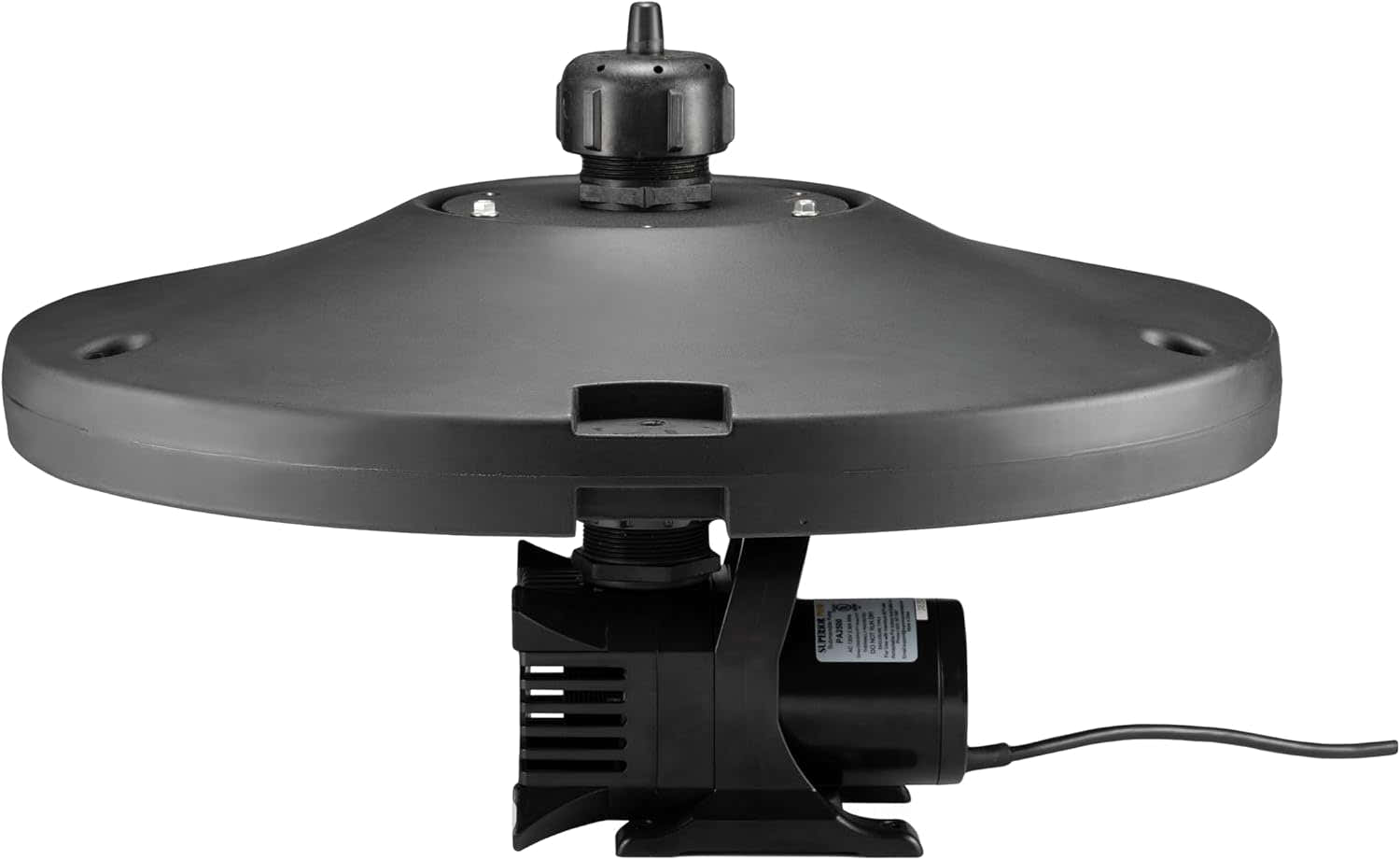


Scott Aerator
115 Volt | Aquasweep | Dock Mount | Water Circulator | Muck Blaster
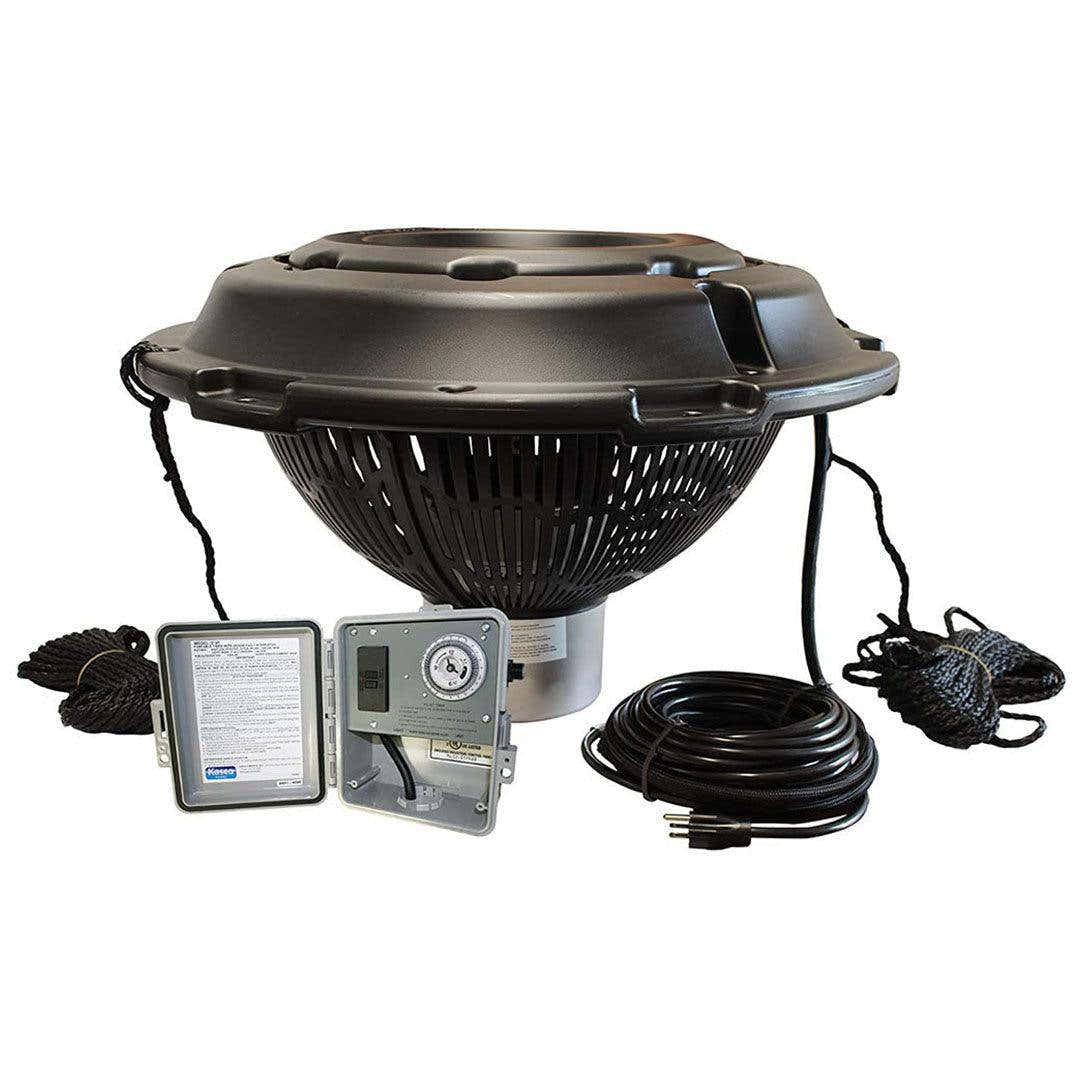
Kasco Marine
120V | VFX Series | Aerating Water Fountain | 1/2HP | 3/4HP | 1HP Rated 5.0 out of 5(5)
Not sure what your pond needs?
Take the 1-minute pond quiz
Answer a few quick questions and get a plan made for your pond, with the products that fit it.