



Table of contents
No headings found in this article.
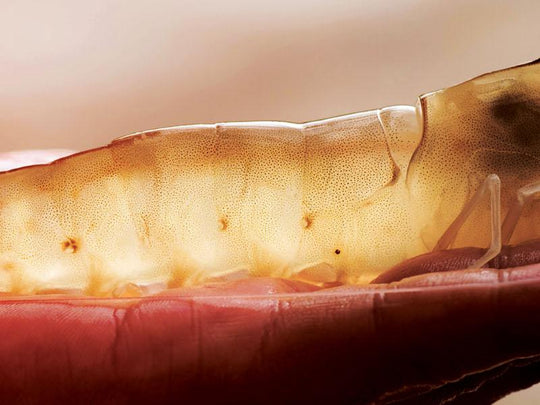
If you’ve ever flipped over a rock near the shoreline and seen a little clawed creature dart backward into the mud, you’ve met one of the hardest-working members of your pond.
Crayfish are not picky eaters. They are an omnivorous freshwater crustacean, and in most ponds, they’ll eat just about anything they can grab, shred, or scavenge.
But here’s the part most pond owners miss:
What crayfish eat directly affects your pond ecosystem balance, water clarity, and even fish growth.
Let’s break it down the simple way.
The Core Crayfish Diet: What’s on the Menu?
Crayfish are classic detritus feeders. That means they spend a lot of time on the pond bottom substrate, cleaning up leftovers.
Here’s what makes up their main diet:
Aquatic Vegetation
Crayfish love tender aquatic vegetation. They’ll graze on submerged plants, young shoots, and soft stems. In small numbers, this helps with natural trimming. In large numbers, it can damage plant beds.
Algae Biofilm
That thin, slimy layer on rocks and docks? That’s algae biofilm. Crayfish scrape and consume it constantly. It’s one of their steady food sources.
Decaying Organic Matter
Leaves, fallen plants, and dead material sink and form organic debris. Crayfish break this down, helping with nutrient cycling.
Detritus
Soft bottom muck, partially decomposed plant material, and sludge all become food. They contribute to breaking down this material, but they can also stir it up.
Aquatic Insects & Benthic Invertebrates
Crayfish are opportunistic hunters. They eat aquatic insects, worms, and other bottom-dwelling species that share the freshwater food web.
Small Fish Fry & Fish Eggs
Yes, they will eat fish eggs and small fish fry if given the chance. This matters if you’re managing bass or bluegill populations.
Zooplankton
While not their primary food, crayfish may consume zooplankton when available, especially in juvenile stages.
In short, crayfish eat both plants and animals. That flexibility is why they thrive.
Where Do They Feed?
Crayfish spend most of their time along the pond's bottom substrate.
They hide in:
-
Rock piles
-
Root systems
-
Dock structures
-
Burrows in soft soil
As bottom-dwelling species, they play a major role in the freshwater food web.
But here’s where pond management comes into play.
How Crayfish Affect Pond & Lake Ecosystems
Crayfish are important for the natural food chain. In healthy numbers, they:
-
Break down organic sludge
-
Help with nutrient cycling
-
Provide food for bass and other predator fish
-
Contribute to ecosystem diversity
But when populations grow too large, problems start.
Excessive Plant Damage
Heavy grazing can wipe out aquatic vegetation, affecting fish habitat.
Increased Turbidity
Crayfish constantly disturb sediment. Too much activity can reduce water clarity.
Nutrient Release
When they stir the bottom muck, nutrients get released into the water column. That can contribute to eutrophication, especially in shallow ponds.
Oxygen Fluctuations
Disturbed sediment can impact dissolved oxygen levels, particularly in poorly aerated ponds.
This is why crayfish pond management matters more than people think.
Species Matter: Not All Crayfish Are Equal
Some species behave very differently.
Red swamp crayfish (Procambarus clarkii)
Highly adaptable and aggressive. Often associated with invasive spread and vegetation damage.
Rusty crayfish (Faxonius rusticus)
One of the most disruptive invasive crayfish species in North America. Known for stripping plant beds and competing with native species.
Signal crayfish (Pacifastacus leniusculus)
Native to parts of the western U.S., but invasive elsewhere. Can alter the bottom structure and food webs.
Understanding native vs invasive crayfish species in your region is key. Invasive types can dramatically shift the balance of the pond ecosystem.
Best Food for Crayfish in Ponds (If You’re Raising Them)
If you’re intentionally stocking crayfish in private lakes for forage or aquaculture, feeding matters.
The best food for crayfish in ponds includes:
-
Sinking protein-based feeds
-
Fresh vegetation scraps
-
Commercial crustacean feeds
Supplemental feeding can reduce pressure on aquatic plants and help control grazing damage.
But feeding alone won’t solve overpopulation.
How to Control Crayfish Population
If numbers are climbing, here are practical solutions:
1. Improve Aeration
Installing pond aeration systems, especially bottom diffused aerators, improves dissolved oxygen levels and stabilizes the pond bottom. This supports predator fish that naturally control crayfish.
2. Boost Beneficial Bacteria
Beneficial pond bacteria help break down organic sludge. Less muck means fewer hiding and feeding zones.
3. Organic Sludge Reduction & Pond Muck Removal
Reducing accumulated organic material limits habitat and food availability.
4. Strengthen Predator Fish
Healthy bass populations naturally control crayfish.
5. Aquatic Weed Control
Balanced aquatic weed control prevents crayfish from overtaking shallow beds of vegetation.
6. Water Clarity Treatments
Improving water clarity helps stabilize the system and reduce nutrient spikes.
Improving crayfish habitat can be beneficial when managed properly. It becomes a problem when left unchecked.
Feeding Crayfish in Private Lakes: Should You?
In managed sportfishing ponds, crayfish are excellent forage for bass.
If your goal is fish growth, controlled crayfish populations can help.
If your goal is pristine aquatic plant displays, too many crayfish can cause frustration.
Everything comes back to the balance of the pond ecosystem.
The Big Picture: Crayfish and Your Pond
Crayfish are not villains.
They are recyclers. Cleaners. Forage species. Nutrient movers.
But they respond to conditions.
High organic buildup, poor aeration, low predator presence, and excess nutrients create ideal crayfish environments.
Healthy ponds with strong oxygen levels, balanced plant life, and active predator fish tend to keep crayfish in check naturally.
If you’re serious about crayfish pond management, start with the foundation:
-
Stable dissolved oxygen levels
-
Consistent pond aeration systems
-
Sludge control
-
Nutrient management
Fix the system, and the food web balances itself.
Popular with pond owners

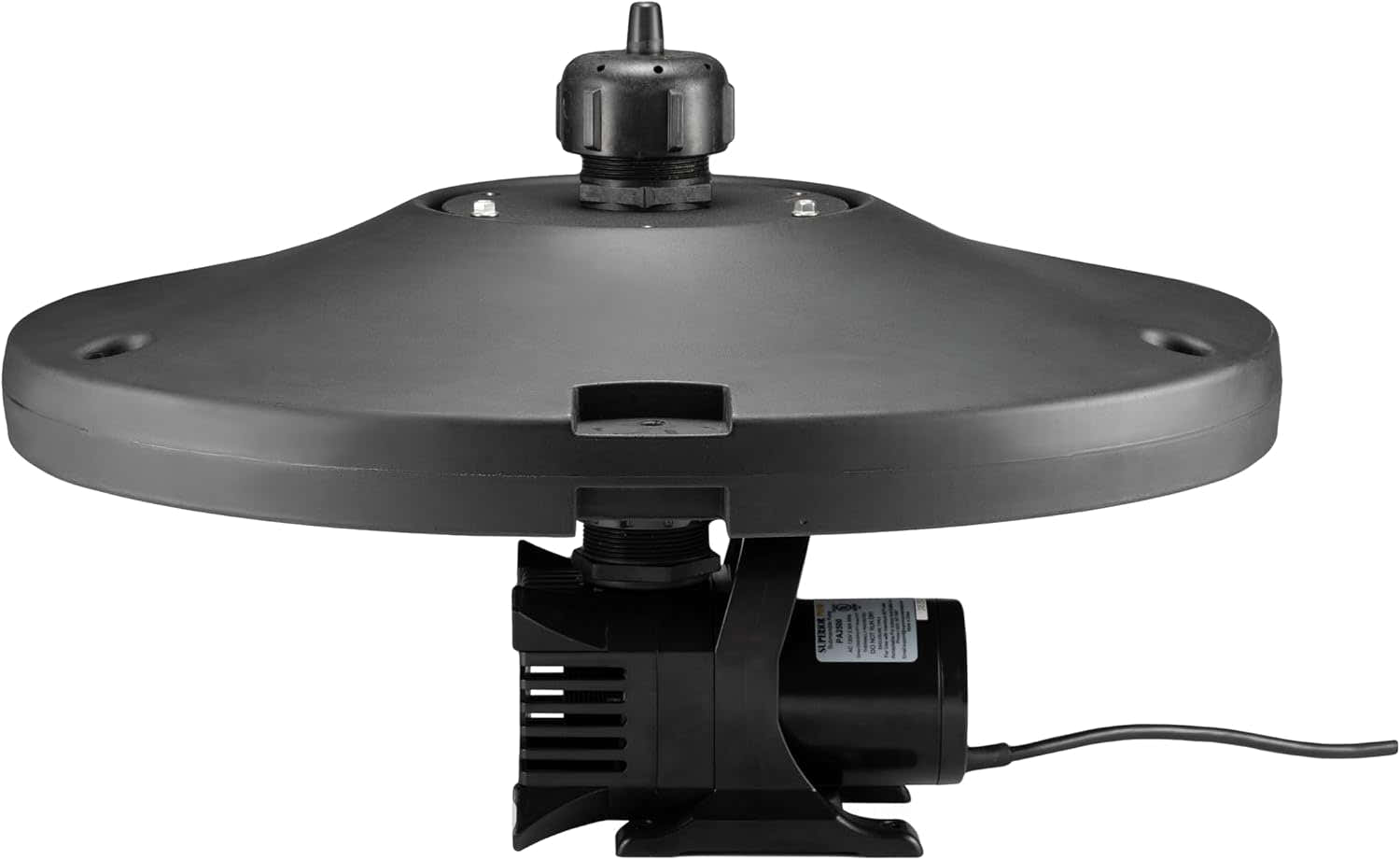


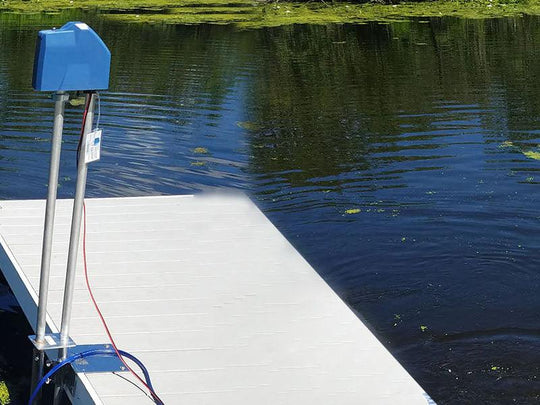
Scott Aerator
115 Volt | Aquasweep | Dock Mount | Water Circulator | Muck Blaster
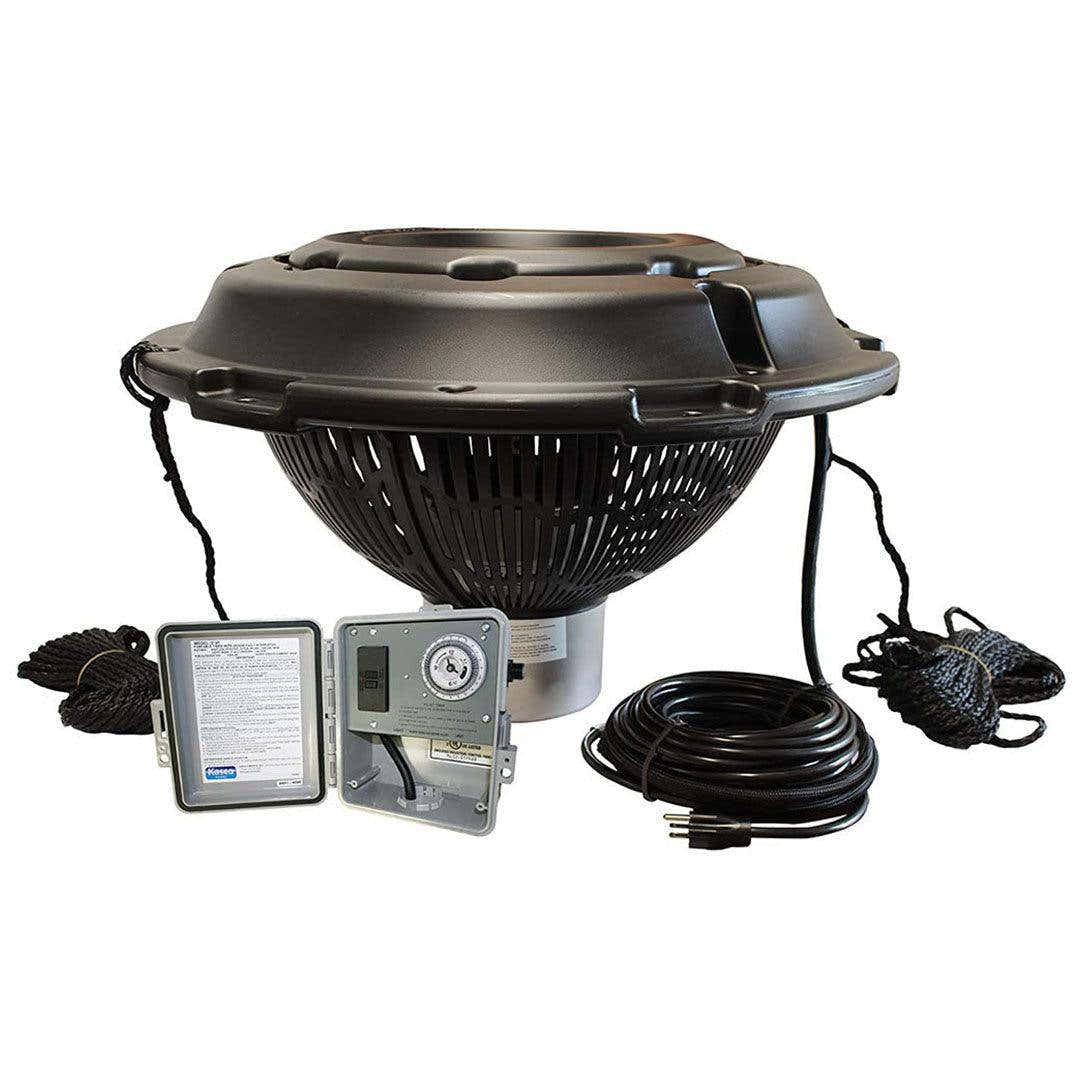
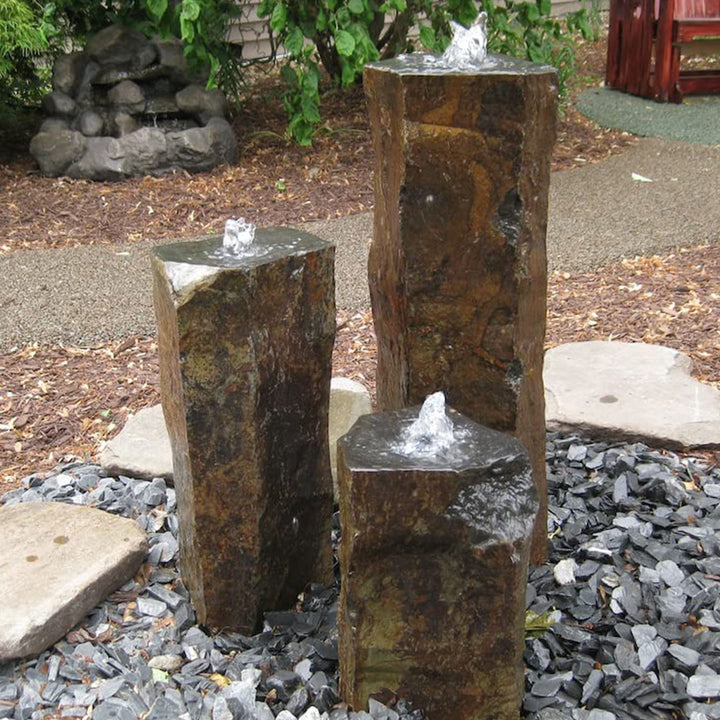
Kasco Marine
120V | VFX Series | Aerating Water Fountain | 1/2HP | 3/4HP | 1HP Rated 5.0 out of 5(5)
Not sure what your pond needs?
Take the 1-minute pond quiz
Answer a few quick questions and get a plan made for your pond, with the products that fit it.