



Table of contents
No headings found in this article.
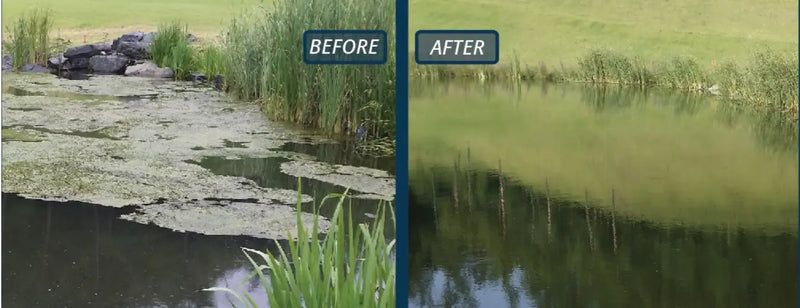
If you've looked outside this July and wondered, "Why is my pond green?", you're not alone. Across the Midwest, many pond owners experience green pond water during the hottest weeks of summer. What was once a clear, healthy pond can suddenly resemble a bowl of pea soup almost overnight.
In many cases, the culprit is a planktonic algae pond bloom—a rapid explosion of microscopic algae suspended throughout the water column. These blooms thrive when sunlight, warm temperatures, and excess nutrients come together.
Other causes of green water include excessive growth of rooted, submerged aquatic plants and/or duckweed and watermeal.
Submerged weeds can grow extremely dense, limiting water movement, leading to algae blooms and oxygen depletion throughout the water column. This article will largely deal with planktonic algae; for more info on controlling pond weeds, please see the articles below.
Pond Weeds: Control, Herbicides & ID
How to Get Rid of Lake Weeds and Muck
Feel free to pursue my collected works - I cover many different subjects on my Blog: From the Desk of Our Aquatic Biologist

Record-breaking summer heat in 2026 is warming surface waters and triggering harmful algal blooms and excessive weed growth, making this one of the most challenging summers many pond owners have seen.
This guide explains why your pond turns green, what causes algae blooms in July, and the most effective ways to restore water clarity in Midwest ponds.
Why Is My Pond Green?
The most common reason for green pond water in summer (especially in small garden ponds/koi ponds) is an overgrowth of microscopic algae known as planktonic algae. Unlike string algae that grows on rocks and pond edges, planktonic algae float freely in the water, giving the pond a cloudy green appearance.

As algae populations multiply, sunlight can penetrate only a few inches below the surface. The result is the classic pea soup pond appearance.
Planktonic algae come in many forms, structures, and severities. The ones that cause the most problems are from the phylum cyanobacteria. Otherwise called blue-green algae, these primitive organisms are probably the oldest (evolutionarily speaking) still thriving on planet Earth. Their primitive nature and their obvious will to survive in all conditions make them the logical choice to be a pain in the butt when the conditions are toughest out at the pond.
There are three types (genera) of blue-green algae that proliferate to nuisance levels most often in the lakes and ponds of the greater Midwest. They are called Annie, Fanny, and Mike
Anabena sp. (Annie)
This cyanobacterium (blue-green algae) shows up in golf course ponds and other highly nutrient-enriched systems. Some of the species in this genus produce a neurotoxin that can be very harmful to humans and pets. Most of the time, concentrations do not reach toxic levels, but if you have it in your pond, you’d be wise to know about it.

Aphanizomenon (Fanny)
This incredibly hard-to-pronounce blue-green alga (A - FAN - I - ZOM - MEN - NON) can show up in droves AND produce a cyanotoxin that attacks the liver and kidneys. Again, they must be present in VERY high concentrations to be dangerous. Given the right conditions, however, these minuscule filaments can explode in population size, becoming quite dangerous.

Aphanizomenon flos-aquae-MDT14a.jpg
Microcystis sp. (Mike)
This is a very common cyanobacterium / planktonic algae in lakes and reservoirs all over the world. Lakes up to the size of Lake Erie can suffer from enormous blooms of Microcystis during the hottest times of the year.
In extreme cases, it can cause oxygen depletion of a water column, but is generally harmless to people and pets.

Many other “green” algae can overpopulate to troublesome levels, but the above three genera are the bulk of the problem in most cases.
Many homeowners notice dramatic changes after several hot, sunny days because algae reproduce extremely quickly under ideal conditions.
Why Did My Pond Turn Green Overnight?
One of the most common questions pond owners ask is:
Why did my pond turn green overnight?
In reality, algae have usually been growing for several days before becoming visible. Once conditions are right, the population can double rapidly, making it seem like the pond changed overnight.
Several factors contribute to this rapid transformation:
-
Prolonged hot, sunny weather
-
Surface water temperatures above 75°F
-
Fertilizer runoff
-
Fish waste
-
Decaying leaves and organic debris - accumulated muck
-
Limited water circulation
-
Low dissolved oxygen
July / August often creates the perfect combination of these conditions, especially throughout the Midwest.
What Causes a Pond Algae Bloom in July?
A pond algae bloom in July typically occurs when three ingredients combine:
1. Warm Water
Hot summer temperatures dramatically increase algae growth rates.
2. Excess Nutrients
Nitrogen and phosphorus act like fertilizer for algae. These nutrients often come from:
-
Lawn fertilizer
-
Agricultural runoff
-
Waterfowl waste
-
Fish food
-
Organic sediment on the pond bottom
3. Plenty of Sunlight
Long July days provide algae with abundant sunlight, fueling explosive growth.
Is Green Pond Water Dangerous?
Not every algae bloom is harmful, but some blooms may become a harmful algal bloom backyard pond event.
Certain species of blue-green algae (cyanobacteria) can produce toxins that may affect:
-
Dogs
-
Livestock
-
Wildlife
-
Fish
-
People
If the water develops thick surface scums, blue-green paint-like streaks, or foul odors, avoid swimming or allowing pets to drink the water until the bloom has been identified. Waters loaded with cyanobacteria rarely become dense enough to be toxic to animals. No need to tempt fate here, though; keep your pets clear of the water until the algae bloom subsides.
Why Algae Is Worse During Midwest Summers
The Midwest experiences ideal algae-growing conditions during July:
-
High daytime temperatures
-
Warm nights
-
Heavy spring nutrient runoff
-
Calm weather
-
Long daylight hours
Combined with record-breaking summer heat in 2026, surface water temperatures are remaining elevated for longer periods, increasing the likelihood of algae blooms.
Shallow ponds are especially vulnerable because they warm much faster than deeper bodies of water.
How to Clear Green Pond Water Naturally
Many homeowners search for how to clear green pond water naturally before turning to chemical treatments.
Several natural strategies can significantly reduce algae growth.
Improve Aeration
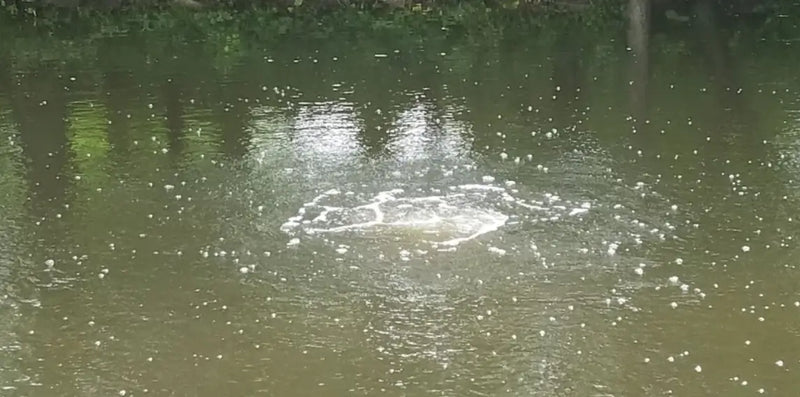
Aeration increases oxygen throughout the pond while improving circulation.
Aeration kits for small koi ponds
Better circulation helps reduce stagnant conditions that favor algae growth.
Reduce Nutrient Inputs
Prevent fertilizer from entering the pond whenever possible.
Remove leaves, grass clippings, and excess organic debris before they decompose.
Feed fish only what they can consume within a few minutes.
Add Beneficial Bacteria
Beneficial bacteria help break down organic sludge that releases nutrients into the water.
Reducing muck often leads to fewer algae blooms over time.
Natural pond treatments like Barely Straw Extract can curb algae blooms before they get started. I recommend a weekly dose to all my garden pond customers.
Increase Shade
Floating plants or strategically placed shoreline vegetation can reduce sunlight reaching the water. Pond lilies are great for this
Less sunlight means slower algae growth.

Pond Green Water Treatment for Midwest Ponds
If natural methods aren't enough, a complete pond green water treatment Midwest strategy often combines several approaches.
Effective treatment plans may include:
-
Bottom-diffused aeration systems
-
Beneficial bacteria applications
-
Nutrient management
-
Pond dyes (when appropriate)
-
UV clarification for ornamental ponds
-
Great for koi ponds with recurring planktonic issues
-
-
Targeted algaecides when necessary
-
Be careful with these; copper-based algaecide can kill your koi
-
Try Barley Straw Extract 1st; it’s always safer to try the more natural remedy before relying on harsher chemicals.
-
Chemical treatments can quickly reduce algae, but they work best when paired with long-term nutrient control. Otherwise, blooms often return within weeks.
Preventing Algae Next Summer
The best time to fight algae is before it starts.
Spring maintenance can dramatically reduce the severity of algae in pond summer conditions.
Preventive measures include:
-
Installing aeration before temperatures rise
-
Cleaning accumulated organic sediment
-
Spring cleanouts are essential for koi ponds and small water gardens
-
-
Maintaining healthy shoreline vegetation
-
Monitoring nutrient runoff
-
Starting beneficial bacteria early in the season
A proactive approach is usually less expensive than repeatedly treating algae after blooms develop.
Final Thoughts
If you've been asking, "Why is my pond green?", July's heat, abundant sunlight, and excess nutrients are usually the answer.
Understanding the causes of green pond water in the summer helps you choose the right solution. Whether you're dealing with a sudden pea soup pond, a recurring pond algae bloom in July, or looking for a long-term pond green water treatment in the Midwest, combining aeration, nutrient management, and preventive maintenance provides the best chance of keeping your pond healthy and clear throughout the season.
With consistent care, you can reduce algae blooms, improve water quality, and enjoy a cleaner pond all summer long.
Image attribution: Creative Commons Attribution 4.0 International
Mixed phytoplankton community 2.png - University of Rhode Island/Stephanie Anderson
Photo of an Erlenmeyer flask with Microcystis floating colonies - Michal Manas
Aphanizomenon flos-aquae-MDT14a.jpg - Braintoniq
Popular with pond owners

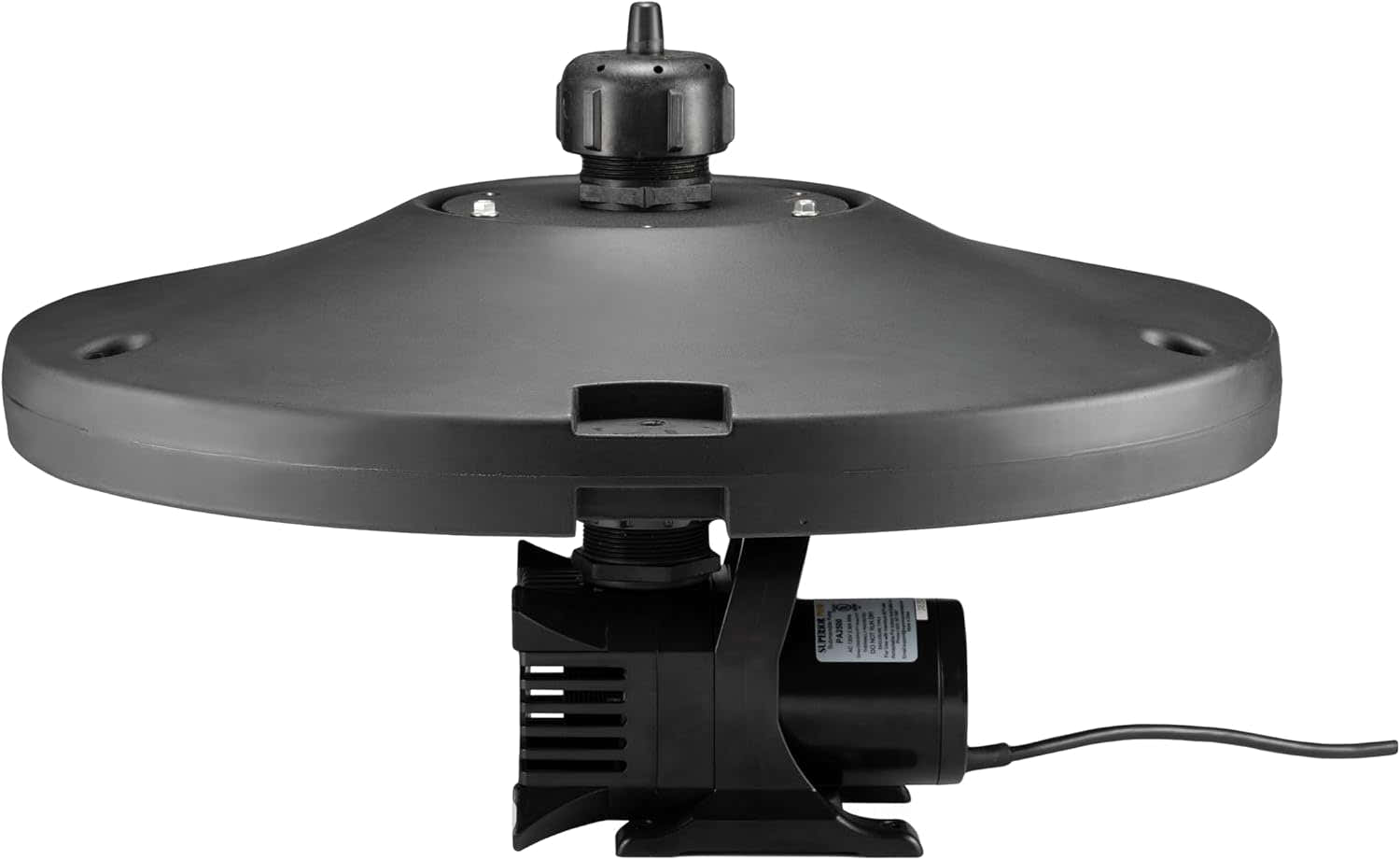


Scott Aerator
115 Volt | Aquasweep | Dock Mount | Water Circulator | Muck Blaster
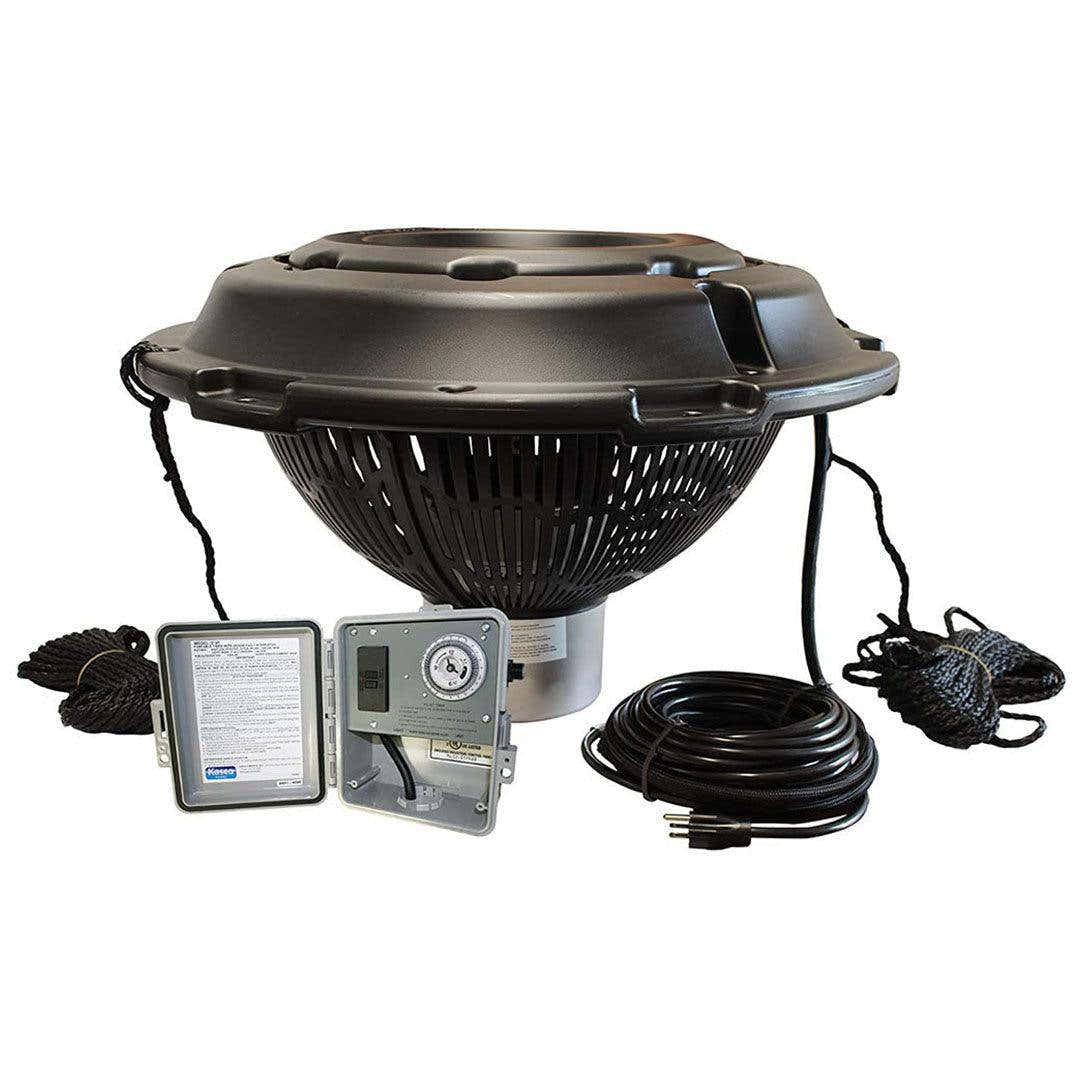
Kasco Marine
120V | VFX Series | Aerating Water Fountain | 1/2HP | 3/4HP | 1HP Rated 5.0 out of 5(5)
Not sure what your pond needs?
Take the 1-minute pond quiz
Answer a few quick questions and get a plan made for your pond, with the products that fit it.