








Table of contents
No headings found in this article.

As summer temperatures rise, ponds and lakes can become increasingly vulnerable to algae blooms. Warm water, longer periods of sunlight, and increased nutrient availability can create ideal conditions for algae to grow rapidly. For pond and lake owners, what begins as a small amount of algae can quickly become a significant water-quality concern.
Effective summer algae control requires more than treating the algae that are visible on the surface. Long-term success depends on understanding the factors that fuel algae growth—including phosphorus, external nutrient loading, internal nutrient loading, water temperature, and dissolved oxygen—and developing a management strategy that addresses the entire pond ecosystem.
Oh yeah, and setting an appropriate budget to handle a pond that has changing conditions all year long. Your initial investment is absolutely crucial to the pond’s long-term health, vitality and resource value. A pond of any size is a lot like your lawn, leave it alone for a month in the summer and it’ll look like 💩…
As in most things, issues do not appear overnight, they start small and grow bigger over time. The longer you wait to address potential problems, the bigger the project (and more expensive) it will be to accomplish your pond management goals.
Long-term algae management involves understanding the relationship between green algae, blue-green algae and cyanobacteria, phosphorus, nutrient loading, internal nutrient loading, dissolved oxygen, and pond aeration.
Why Summer Creates Ideal Conditions for Algae
Algae are a natural component of healthy aquatic ecosystems. Problems occur when environmental conditions allow algae to grow faster than the ecosystem can naturally control them. The burden created by a large, recurring bloom of one species/genera of algae can lead to more issues than just an aesthetic nuisance.
During hot summer weather, several factors can work together to promote excessive algae growth:
-
Warmer water increases biological activity.
-
Longer days provide more sunlight for photosynthesis.
-
Stormwater runoff can introduce nutrients into the pond.
-
Decaying vegetation and organic matter release nutrients.
-
Stratification can separate warm surface water from cooler, deeper water.
-
Decomposition of organic matter consuming already scarce dissolved oxygen.
-
Nutrients accumulated in bottom sediments can become available to algae.
This combination can create a cycle in which algae flourish, die, decompose, and contribute to further water-quality problems.
For this reason, successful algae management should focus on both immediate control and long-term prevention.
Algae Control: Treating the Bloom Is Only the First Step
When algae becomes excessive, an appropriate chemical treatment may be necessary to quickly restore the pond's appearance and reduce the impact of the bloom. Often a hard reset for the pond is the most expedient strategy to get the pond heading in the right direction. However, treating visible algae does not necessarily address the conditions that caused the bloom.
There are several types of algae commonly found in ponds, including several species of filamentous algae and planktonic algae. Each can behave differently and may require a different management approach.
Before treatment, it is important to understand what is growing in the pond and why.
For example, repeatedly treating algae without addressing excessive nutrient inputs can result in a frustrating cycle:
Algae bloom → treatment → algae dies → nutrients remain → algae returns. $$$$$$$
An effective management program breaks this cycle by combining appropriate pond algae control with nutrient reduction, phosphorus management, aeration, and regular monitoring.
Blue-Green Algae and Cyanobacteria
One of the most important concerns during warm summer weather is blue-green algae, commonly known as cyanobacteria.
Despite the name, cyanobacteria are bacteria rather than true algae. Certain cyanobacteria can form harmful algal blooms (HABs), and some species can produce toxins that pose risks to people, pets, livestock, and wildlife.
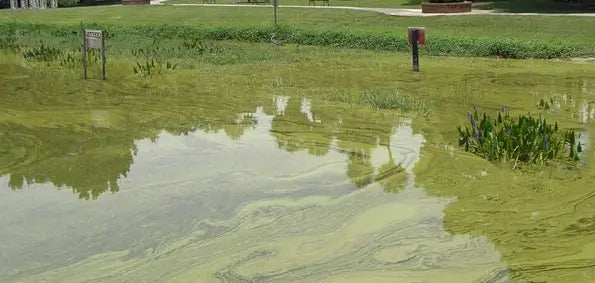
Cyanobacteria can sometimes form dense surface accumulations or discolor the water. However, appearance alone is not a reliable way to determine whether a bloom is toxic.
If a pond develops a suspicious or unusually dense bloom, property owners should take precautions and avoid unnecessary contact with the water until it can be appropriately evaluated.
From a management perspective, prevention is particularly important. Cyanobacteria can take advantage of nutrient-rich conditions, making phosphorus and overall nutrient management important components of a long-term strategy.
For more on the types of algae in your pond:
Why is My Pond Green in July? - Algae causes and Midwest Fixes
Phosphorus Reduction and Algae Control
When discussing algae, phosphorus deserves special attention.
Phosphorus is an essential nutrient for aquatic plants and algae. In many freshwater systems, an increase in available phosphorus can contribute to excessive algae growth and harmful algal blooms.
Phosphorus can enter a pond through:
-
Fertilizer and lawn runoff
-
Stormwater
-
Soil erosion
-
Decaying leaves and vegetation
-
Waterfowl waste
-
Organic matter / Breaking down of the dead things in the pond
-
Septic or wastewater sources
-
Nutrient-rich inflows
Once phosphorus enters the pond, it doesn't necessarily remain in the water column. It can become incorporated into algae and aquatic plants or settle into bottom sediments.
That brings us to an important—and often overlooked—part of algae management: internal nutrient loading.
Reducing phosphorus is a good strategy, most ponds would benefit from a reduction in phosphorus inputs.
What Is Internal Nutrient Loading?
Many pond owners focus on nutrients entering the pond from outside sources. This is known as external nutrient loading. This is a great idea and should be done for every pond whenever possible.
But a pond can also have a significant nutrient source already inside it.
Over years, phosphorus and other nutrients can accumulate in bottom sediments. Under certain environmental conditions, some of that stored phosphorus can be released from the sediment back into the water.
This process is known as internal nutrient loading.
In simple terms, the pond can sometimes begin to recycle its own nutrients.
This can make algae control particularly challenging. Even if external nutrient sources are reduced, phosphorus already stored in the sediment may continue to contribute to algae growth.
Internal loading can become especially important during summer stratification and periods of low oxygen near the bottom (which is nearly always during the warm summer months). Changes in oxygen and chemical conditions at the sediment-water interface can influence the release of phosphorus from sediments into the water column.
This is one reason why simply treating the algae may not provide lasting results.
Managing Internal Nutrient Loading
There is no single solution for every pond experiencing internal nutrient loading. Management should be based on the characteristics of the specific waterbody.
Depending on the situation, strategies may include:
-
Reducing external phosphorus inputs.
-
Always good - heavily vegetative runoff channels
-
Reduce soil erosion and sedimentation
-
Slow down runoff water to limit inputs to the pond - stormwater runoff is a major contributor of sedimentation and nutrient loading
-
-
Deflect runoff AWAY from the pond if possible, good grading can save your pond from premature aging.
-
-
Improving watershed and shoreline management.
-
More plants = better water quality
-
Maintain a healthy shoreline vegetation
-
Allow Plants to grow IN the pond - A good, diverse aquatic plant community is vital to a balanced pond ecosystem
-
-
Stop fertilizing the lawn near the pond
-
Keep grass clipping away from the open water
-
-
Managing excessive organic matter.
-
Trim back deciduous trees - limit inputs from trees and shrubbery
-
Mow down shoreline vegetation in fall to keep that biomass out of the pond
-
Manage your fishery - do not over feed your fish
-
Harvest / cull your fish to keep the populations under control
-
-
Keep waterfowl to a minimum - NO GEESE, Geese are not welcome.
-

-
Improving circulation and oxygen conditions.
-
A good Pond Aerator , Aerating Fountain, or Surface Aerator is the single best investment for ANY pond.
-
-
Using appropriate phosphorus-binding or inactivation treatments where warranted.
-
Removing nutrient-rich sediment in severe cases.
-
Dredging is expensive, but sometimes it's the best option for very old ponds and lagoons.
-
Circulators / Muck Blasters are great for clearing out beach areas improving oxygen saturation near the sediment layer
-
-
Monitoring water chemistry and dissolved oxygen.
-
Developing a long-term nutrient-management plan.
-
The plan can/should include all of the above strategies to guarantee your pond’s health and vitality for future generations.
-
A professional assessment can help determine whether internal nutrient loading is contributing to recurring algae problems and whether additional testing or management is appropriate. Reach out to your local pro pond manager or contact me (joe@midwestponds.com) if you want to discuss your pond or any of the topics listed here.
Nutrient Management: Look Beyond the Pond
A pond is part of a larger watershed. What happens around the pond can have a significant effect on what happens in the water.
Rainfall can transport fertilizer, soil, organic debris, and other materials into the pond. Over time, these inputs can increase nutrient concentrations and sediment accumulation.
Good nutrient-management practices can include:
-
Maintaining vegetated buffer areas around the shoreline.
-
Reducing fertilizer runoff.
-
Keeping grass clippings and leaves out of the water.
-
Addressing areas of erosion.
-
Managing stormwater before it reaches the pond.
-
Maintaining healthy shoreline vegetation.
-
Limiting unnecessary nutrient inputs.
-
Managing waterfowl where appropriate.
Reducing external nutrient loading is important because it prevents the pond from continually receiving new fuel for algae growth.
However, if a pond has accumulated nutrients over many years, reducing external sources may need to be combined with strategies that address the nutrients already stored within the system.
Pond Aeration: Supporting Summer Water Quality

Pond aeration can be an important component of an integrated summer management program.
Warm water naturally holds less dissolved oxygen than cold water. At the same time, fish, microorganisms, plants, and decomposing organic matter consume oxygen at a high rate.
This can become especially important when a pond develops thermal stratification or the pond suffers from a deep organic soft sediment (muck) base.
A properly designed aeration system can circulate and oxygenate water, helping improve overall oxygen conditions and reduce stagnant areas. Bringing oxygen to the sediment layer supplies dissolved oxygen to the entire water column INCLUDING the bottom sediments. This allows for the rapid degradation of organic material, lessening your pond’s biological oxygen demand (BOD). Said another way, a diffused pond aerator reduces the goo at the bottom and frees up oxygen for the rest of the organisms living therein.
Bottom-diffused aeration systems work by releasing air through submerged diffusers. Rising bubbles move water upward, creating circulation and helping transfer oxygen into the water.
Potential benefits of aeration include:
-
Improved dissolved oxygen conditions.
-
Increased water circulation.
-
Reduced stagnant areas.
-
Improved conditions for fish and other aquatic organisms.
-
Support for beneficial biological processes.
-
Improved conditions near the sediment-water interface.
-
Improved efficacy of the microbiological community
-
A more efficient and diverse biome = a better ecosystem as a whole
-
More microbes accelerates the nutrient cycle of the pond. Nutrients work their way up the food chain instead of constantly recycling to and from algae blooms.
-
-
Helps maintain a more stable and consistent pond environment.
Aeration should not, however, be considered a universal cure for algae.
If a pond has excessive phosphorus and nutrient loading, aeration alone may not immediately eliminate recurring algae blooms. Likewise, an aeration system should be properly designed and operated for the specific depth, size, and characteristics of the pond.
The strongest approach combines aeration with nutrient management and appropriate algae-control practices.
The Connection Between Aeration and Internal Nutrient Loading

The relationship between oxygen and sediment nutrients is one of the more important concepts in summer pond management.
When deeper areas of a stratified pond become oxygen-depleted, chemical conditions at the sediment-water interface change. Under certain conditions, this can increase the availability of phosphorus stored in sediments.
Aeration can drastically help improve oxygen and circulation conditions, influencing these processes. However, the relationship is complex and depends on the individual pond's chemistry, sediment characteristics, depth, and nutrient dynamics.
That is why aeration decisions should be based on the specific waterbody rather than simply installing the largest available aerator.
In most ponds, aeration can be an important tool for improving water quality. In others, additional nutrient-management measures may be necessary to address the primary cause of recurring blooms.
An Integrated Approach to Summer Algae Management
The most effective algae-management programs look at the pond as an interconnected system.

Instead of asking only:
"What can we use to kill the algae?"
A better question is:
"Why is the algae growing, and what can we do to make the pond less favorable for recurring blooms?"
That approach may include:
-
Identify the algae. Determine what type of algae is present and whether cyanobacteria may be involved.
-
Evaluate water quality. Monitor parameters such as dissolved oxygen, phosphorus, temperature, and water clarity.
-
Reduce external nutrients. Address runoff, erosion, fertilizer, and other nutrient sources.
-
Investigate internal loading. Determine whether bottom sediments may be contributing phosphorus to the water column. These sediments determine what lives in the pond at the bottom of the food chain. Improve these conditions, improve your pond as a whole.
-
Use aeration appropriately. Improve circulation and oxygen conditions when aeration is suitable for the pond.
-
Treat algae when necessary. Use an appropriate control strategy based on the algae type and pond conditions.
-
Monitor the results. Regular monitoring can help determine whether management strategies are working.
-
Plan for the future. Long-term prevention is generally more effective than repeatedly reacting to severe blooms.
-
Actively manage your pond. A pond is a lot like your lawn, don’t ignore it, or you’ll be sorry…
Don't Wait for a Major Summer Bloom
Once a pond is covered with algae, the problem is already well established. Waiting until the peak of summer to address water-quality issues can make management more difficult.
A proactive approach can help identify nutrient and oxygen problems before they result in severe algae blooms.
For pond owners, HOAs, lake associations, golf courses, municipalities, and commercial properties, a seasonal pond-management plan can provide a much better understanding of how the waterbody changes throughout the year.
Healthy Ponds Require More Than Algae Treatment
Summer algae control is not simply about eliminating what is visible on the surface.
Algae, phosphorus, nutrients, sediment, oxygen, and circulation are all connected.
Reducing external nutrient inputs can help prevent additional phosphorus from entering the pond. Addressing internal nutrient loading can help manage nutrients already stored in bottom sediments. Proper aeration can support oxygen and circulation. And targeted algae control can provide immediate relief when blooms become excessive.
Together, these strategies form a more comprehensive approach to maintaining healthy ponds and lakes.
If your pond experiences recurring summer algae blooms, green water, surface scum, poor water clarity, fish stress, or low dissolved oxygen, the first step is to determine what is driving the problem. A professional pond assessment and water-quality evaluation can help identify the appropriate combination of algae control, nutrient management, phosphorus reduction, and aeration strategies.
The goal isn't simply to treat this summer's algae bloom. It's to build a healthier pond that is more resilient to the next one.
Image attribution:
Creative Commons Attribution 4.0
Popular with pond owners

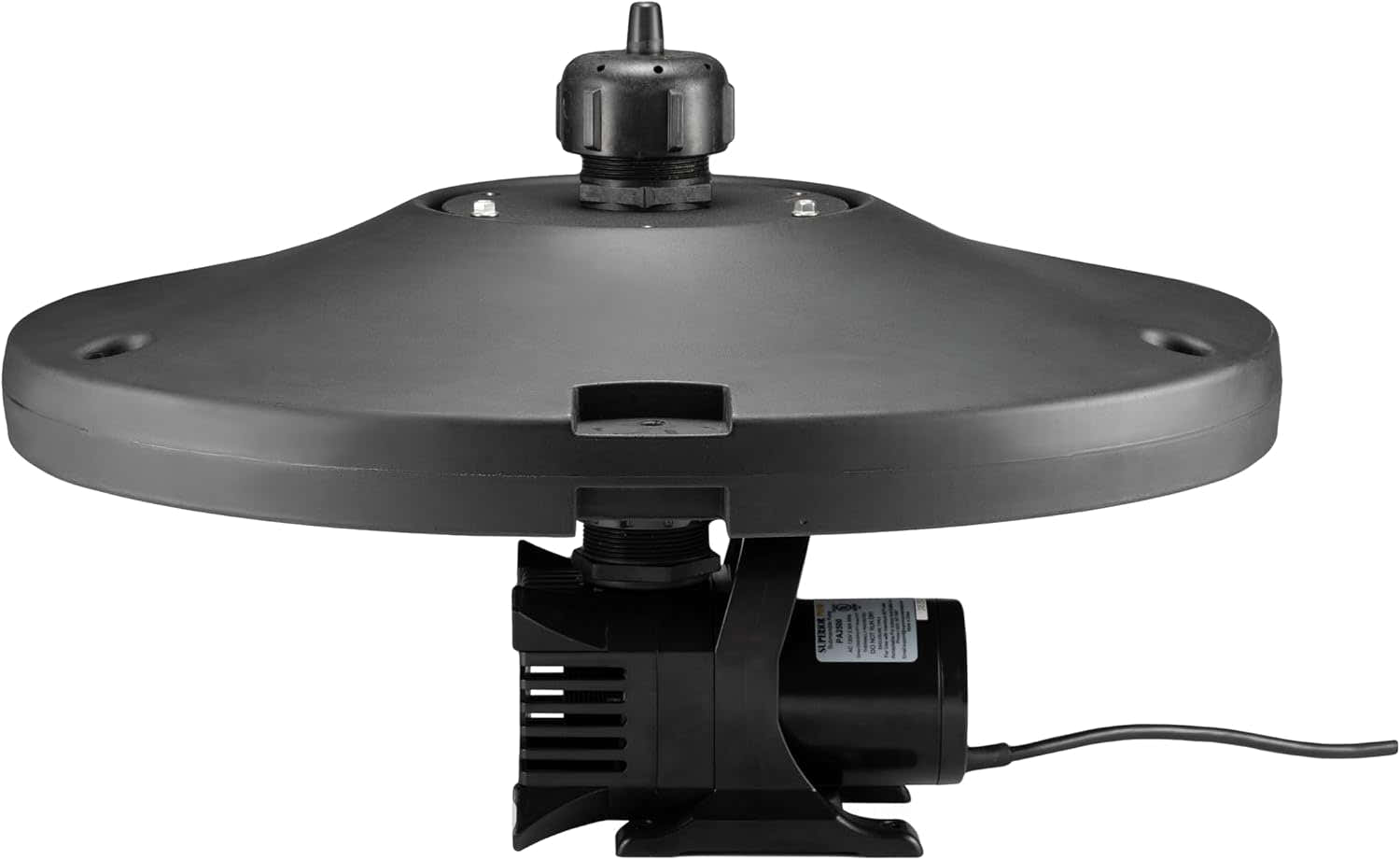


Scott Aerator
115 Volt | Aquasweep | Dock Mount | Water Circulator | Muck Blaster
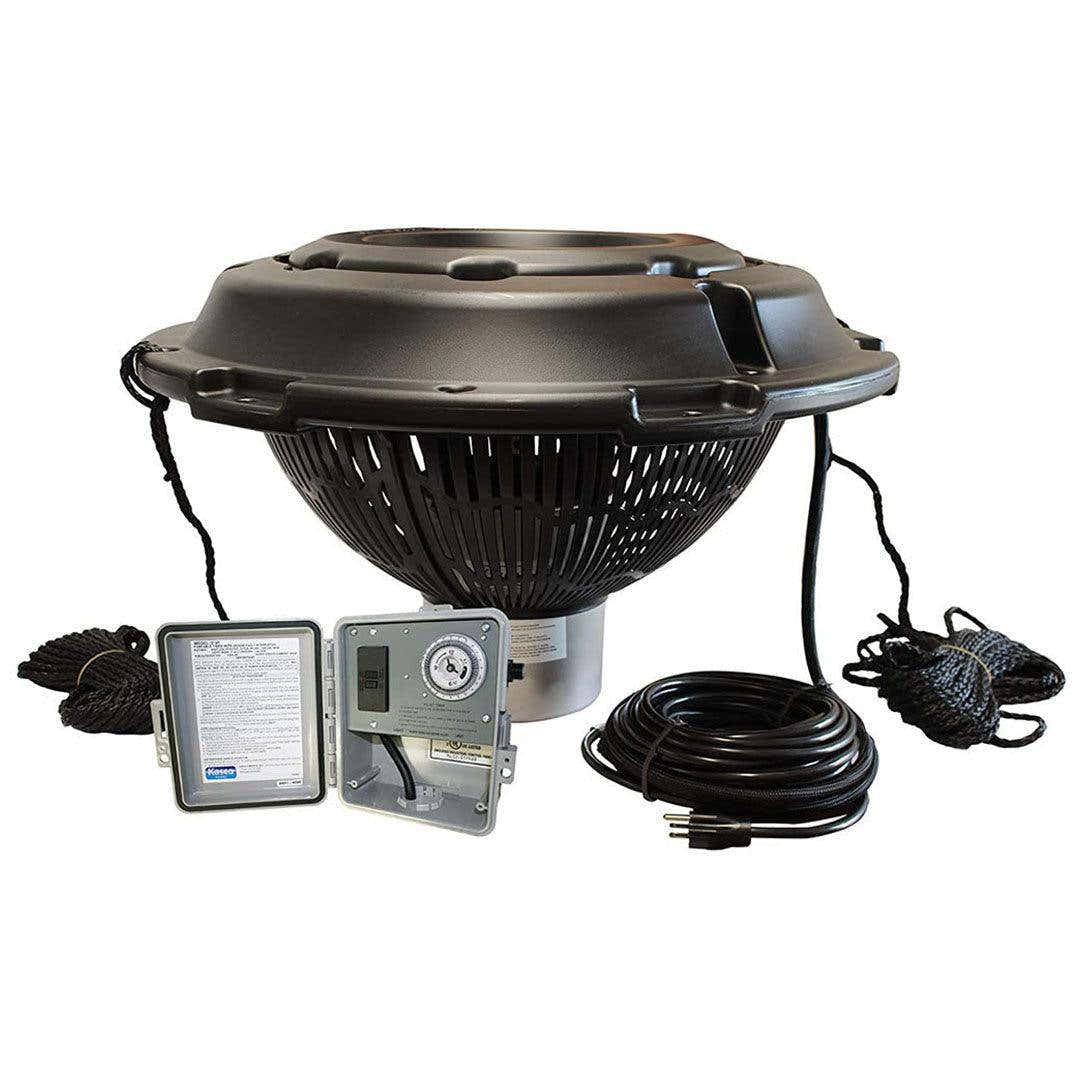
Kasco Marine
120V | VFX Series | Aerating Water Fountain | 1/2HP | 3/4HP | 1HP Rated 5.0 out of 5(5)
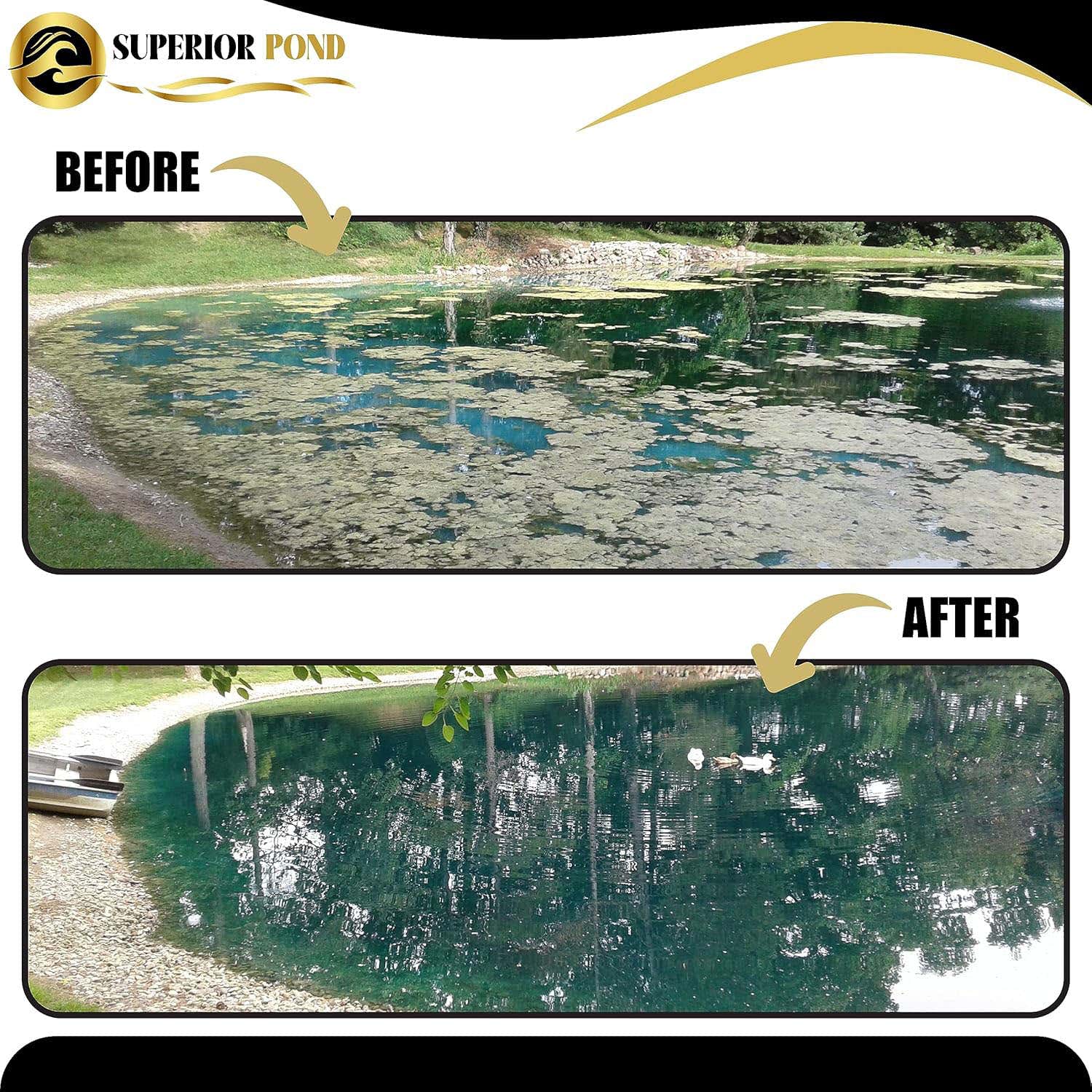
Not sure what your pond needs?
Take the 1-minute pond quiz
Answer a few quick questions and get a plan made for your pond, with the products that fit it.