


Table of contents
No headings found in this article.
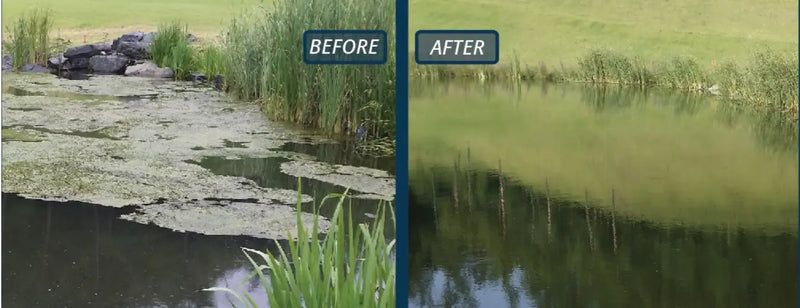
Excessive lake weeds and muck can ruin water quality, hinder recreation, and harm aquatic ecosystems. Whether you're managing a private pond or a public lake, understanding how to get rid of lake weeds and muck effectively is crucial for long-term lake health. This guide explores proven methods, tools, and prevention strategies.
Mechanical Removal Methods
Lake Weed Cutters and Aquatic Rakes
Lake weed cutters and aquatic rakes are essential tools for cutting and collecting submerged aquatic weeds and floating lake weeds near the surface or shoreline. These tools are ideal for DIY weed control in smaller areas. Every lakeshore/pond owner should have these at their disposal; there is always some tidying up to do out at the water's edge.
Depending on the severity of your lake weed removal needs, these tools will help get the job done quickly, if laboriously…
Hydro-Raking and Mechanical Harvesting
For large infestations or thick emergent lake weeds like cattails and large stands of hydrilla or other submerged vegetation, hiring a contractor for hydro-raking or mechanical harvesting of lake weeds. These methods use machines to pull up the plants. They also remove parts of the root system to slow regrowth. These projects usually require several homeowners to band together in order to afford this method of removal.
Muck Rakes, Circulators, and Lake Muck Removal Equipment
Muck rakes help break up and remove organic lake muck and pond sludge along the bottom. Heavy-duty muck removal equipment may be needed for deeper sediment or lake bottom sediment issues.
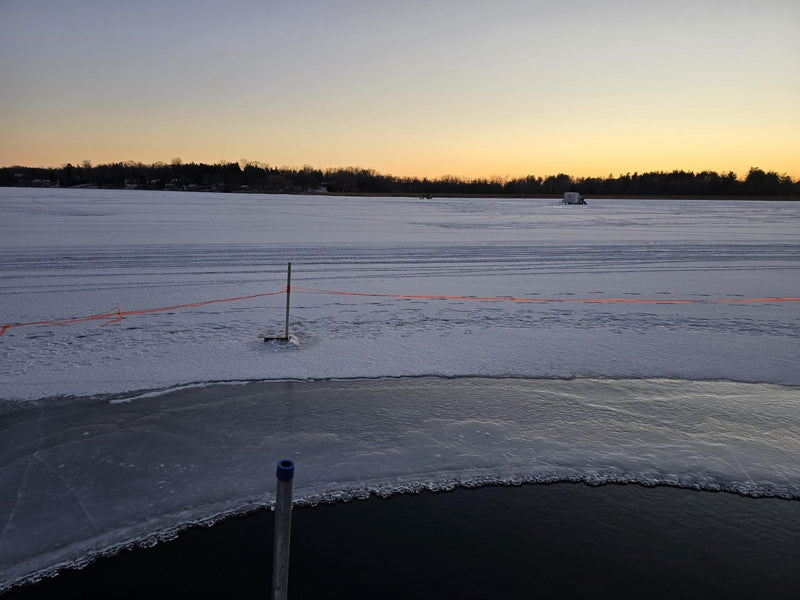
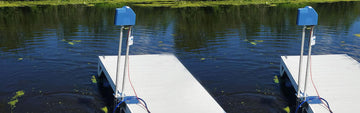
To clear your dock area or swimming beach of muck, try a Dock Circulator or Muck Blaster. Circulators (when used properly) clean up lakeshores and improve habitat for the local wildlife. Trade in your mosquitoes and foul-smelling goo for clean sand and dragonflies.
Mount these units to your dock, a float, or a free-standing frame to regain your lakeshore and improve the health and quality of your beach area.
There are several brands of circulators available, along with several mounting options and horsepower. Give us a call to help you find one that fits your project.
Chemical Treatments
Aquatic Herbicides and Algaecides
Aquatic herbicides are used to treat specific invasive weeds such as Eurasian water milfoil and duckweed. Use EPA-approved lake weed control products to ensure safety and compliance.
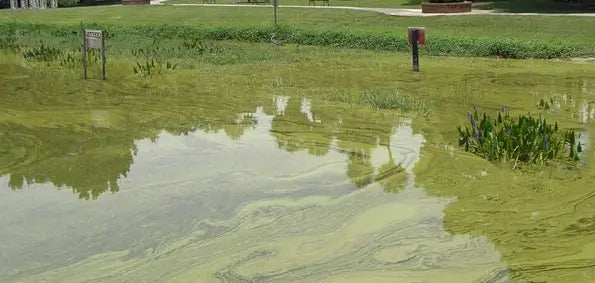
Algaecides for lakes are effective for managing filamentous algae and improving lake water clarity.
Chemical treatments work well, but get guidance on what product to use, how much to apply, and when to apply it. Concentrated pesticides need to be handled carefully to ensure the job gets done correctly. Respect these lake and pond chemical products. Safety for yourself and non-target aquatic organisms needs to be maintained - no sense in getting rid of your weeds if you poison yourself or your fish.
Biological Control
Grass Carp and Beneficial Bacteria
Introducing grass carp lake weed control can help manage submerged aquatic weeds naturally. Always check local regulations before stocking fish.
Beneficial bacteria for muck accelerate decomposition of organic matter, reducing pond sludge and improving sediment conditions. Definitely use a bacteria product to enhance your lakefrontage. Naturally speed up your lake muck removal project with a good blend of indigenous strains of lake bacteria.
Physical Barriers
Lake Weed Mats and Muck Mats
Lake weed mats block sunlight and suppress weed growth on the lakebed. For soft sediment or high-traffic zones, muck mats provide a stable surface and reduce the accumulation of muck. These work well and can be moved periodically to control both lake weeds and muck.
Smother the weeds and compact the muck, then move the mat to a different location and begin again…. Simple and effective, if a little bit maintenance-heavy.
Aeration for Muck and Weed Reduction
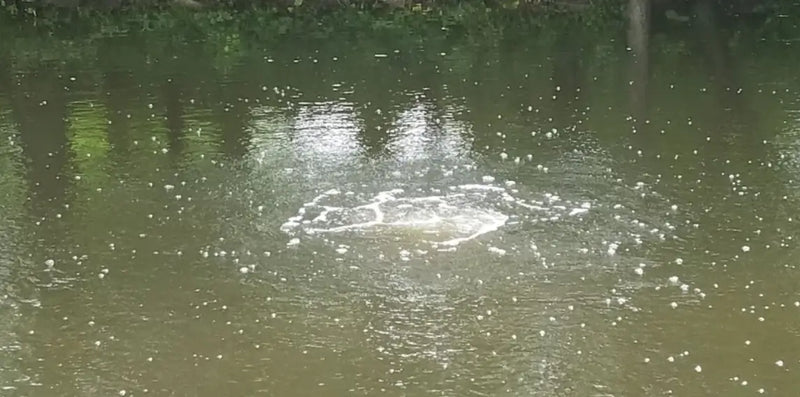
Installing lake aeration systems and pond aeration for muck reduction increases oxygen levels at the sediment layer, promoting beneficial bacteria and limiting weed-friendly nutrients. Aeration also helps prevent algae blooms and improves overall lake health.
There is no better tool/investment for your pond than a good diffused aeration system.
Prevention and Maintenance
Improve Water Quality
-
Lake nutrient reduction through runoff control
-
Promote native aquatic plants and allow plant buffers to grow in ditches and swales that feed into the pond
-
-
Enhance lake water clarity and quality with lake aeration and/or circulation
Maintain Ecological Balance
-
Promote lake ecosystem management practices
-
Implement sustainable lake weed control with minimal disruption
Routine Maintenance
-
Schedule regular lake shoreline maintenance
-
Weekly maintenance during the summer to keep jobs manageable
-
-
Use barriers and harvesting to aid in preventing lake weed regrowth
Tools and Equipment Checklist
-
Aquatic weed removal tools (rakes, cutters)
-
Muck removal equipment (vacuums, rakes)
-
Lake weed mats and muck mats
-
Herbicide application gear
By combining manual, chemical, and biological strategies with regular maintenance, you can reclaim your water body from invasive weeds and stubborn muck. Effective lake management not only restores beauty and usability, it also supports a thriving aquatic ecosystem.
Popular with pond owners

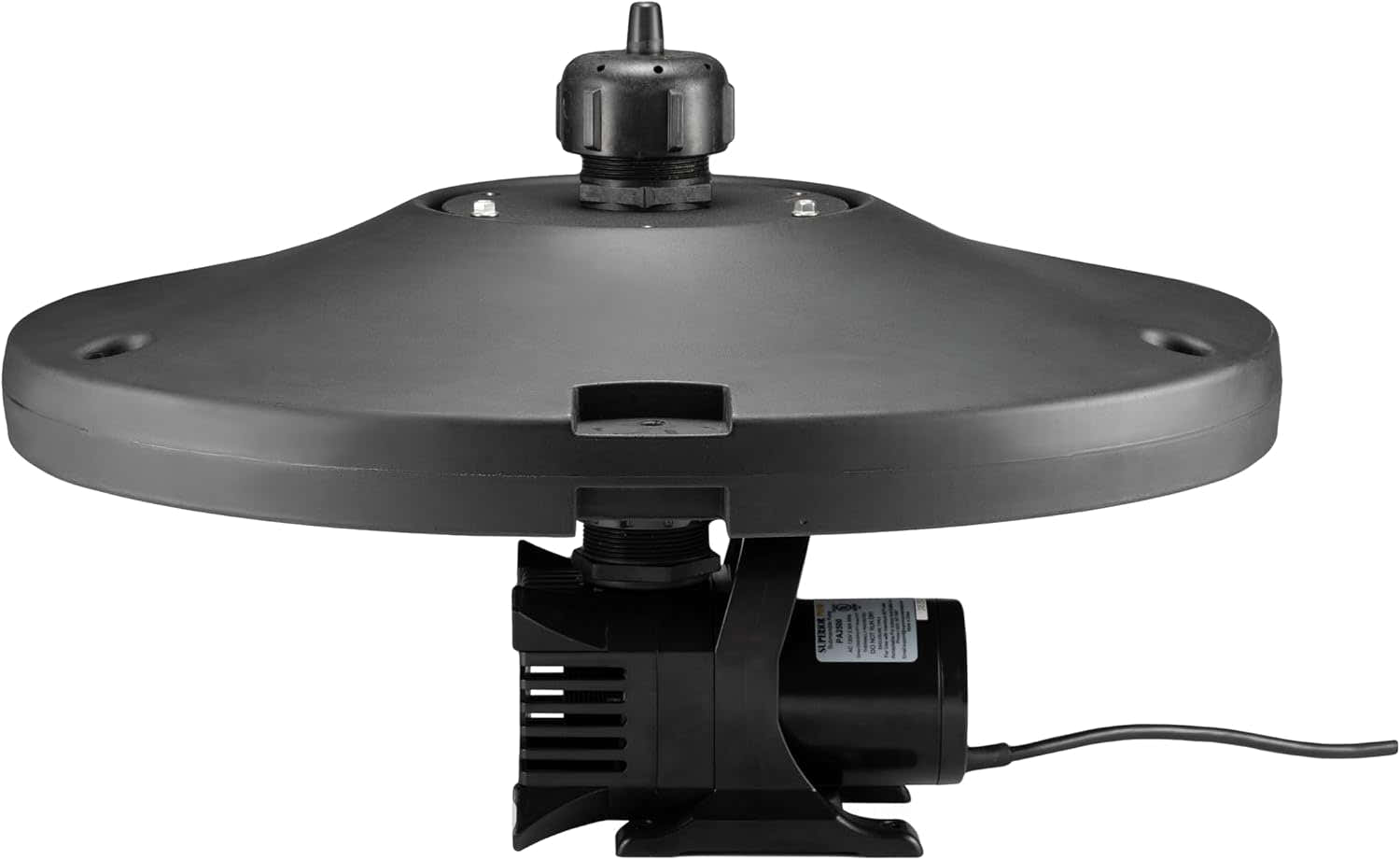


Scott Aerator
115 Volt | Aquasweep | Dock Mount | Water Circulator | Muck Blaster
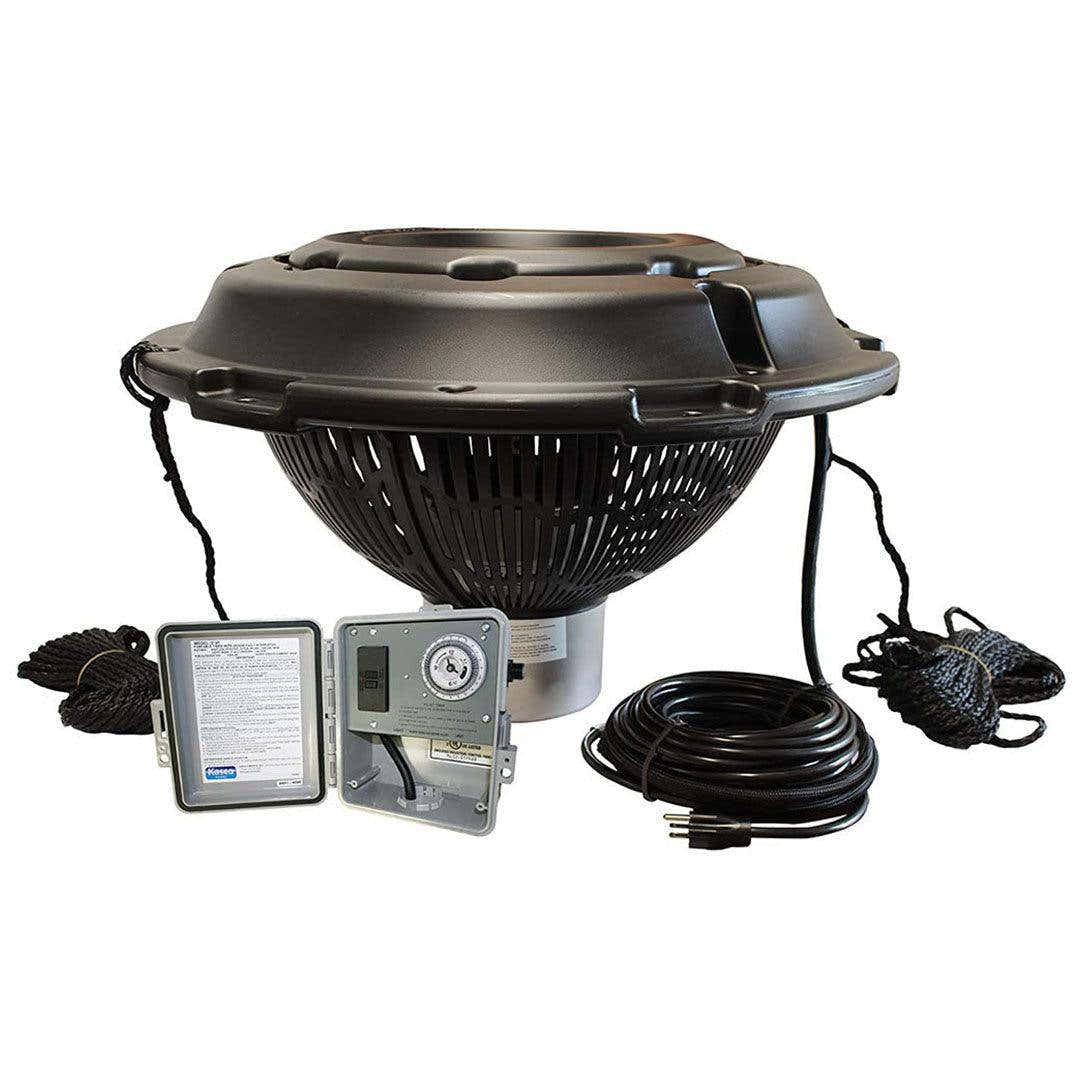
Kasco Marine
120V | VFX Series | Aerating Water Fountain | 1/2HP | 3/4HP | 1HP Rated 5.0 out of 5(5)
Not sure what your pond needs?
Take the 1-minute pond quiz
Answer a few quick questions and get a plan made for your pond, with the products that fit it.