



Table of contents
No headings found in this article.
When winter hits, most pond owners start thinking about their fish—but your pond plants need attention too.
Cold weather can do a number on them if you don’t prepare ahead. Some go dormant and bounce back in spring. Others turn to mush and foul up the water.
Here’s a simple guide on what to do with your pond plants when the ice shows up and how to make sure they’re ready to bloom again next year.
Do Pond Plants Die in Winter?
Not always.
Think of it like hibernation for your plants. As water cools and daylight shrinks, hardy species slow down and go dormant. Tropical plants, on the other hand, don’t like the cold one bit—they’ll die unless you bring them inside.
If you live in the Midwest or anywhere ponds freeze solid, knowing which plants can handle winter makes a big difference in how your pond looks come spring.
Which Pond Plants Can Survive Winter?
Hardy Pond Plants
These are your cold-weather champions. Hardy plants can stay right in the pond as long as their roots sit below the ice line. They’ll look dead for a few months but bounce right back when things warm up.
Good hardy options include:
-
Water lilies (hardy types only)

-
Lotus

-
Pickerel rush

-
Arrowhead (Sagittaria)

-
Creeping Jenny

-
Water iris

Tip: Keep them in the deepest part of the pond where the water won’t freeze solid. That’s usually 18 inches or deeper. The soil and water below the ice act like insulation.
Tropical Pond Plants
Tropicals are beautiful—but fragile. They don’t survive a freeze.
This list includes:
-
Water hyacinth
-
Water lettuce
-
Taro
-
Papyrus
If temperatures dip below 55°F, it’s time to act. Move these plants indoors to a tub or aquarium near a sunny window. They’ll make it through winter just fine if you keep the roots wet and the water clean.
DO NOT leave tropicals outside unless you live in a frost-free region. One good freeze and they’re toast.
Should I Cut Back Pond Plants Before Freezing?
Yes—always.
Before the first hard freeze, trim back dead or dying leaves. Otherwise, they’ll sink, rot, and feed algae all winter long.
Here’s the quick process:
-
Use pruning shears to cut stems a few inches above the crown.
-
Move pots to the deeper part of the pond.
-
Scoop out floating debris.
Doing this keeps the water cleaner, reduces sludge buildup, and keeps fish healthier.
Want to make the job easier? A simple pond net keeps falling leaves out while you work.
How Do I Protect My Water Lilies in Winter?
Water lilies can handle the cold—if you help them a little.
For Hardy Lilies:
-
Trim away dead leaves.
-
Move pots to the deepest part of your pond (18–24 inches is ideal).
-
Make sure the crown stays below the freezing line.
For Tropical Lilies:
-
Pull them out once temps drop near 50°F.
-
Store in a tub of water indoors with mild light.
-
Some folks dry-store the tubers in damp sand in a basement until spring.
If you use an aerator or de-icer, it’ll help keep oxygen levels up and prevent a full freeze. That’s good for both plants and fish.
Check our Aeration & De-Icing Systems.
Can Pond Plants Survive Under Ice?
Yes—hardy plants can survive completely under ice if the roots are deep enough.
Below the surface, pond water usually hovers around 39°F even when it’s frozen on top. That’s just warm enough to keep roots alive.
The only real threat is poor oxygen levels. If the surface seals over, gases from decomposing material can’t escape. That’s bad news for fish and plants.
A small de-icer or bubbler keeps a hole open for gas exchange and helps everything under the ice breathe easier.
Browse Winter Aeration Kits to keep your pond healthy all season.
Step-by-Step: How to Winterize Pond Plants
-
Sort them out. Know which are hardy and which are tropical.
-
Trim everything. Cut off any dying foliage.
-
Relocate. Move hardy plants deeper; take tropicals indoors.
-
Clean the pond. Remove leaves, muck, and floating debris.
-
Add protection. Use a pond net and make sure your aerator or de-icer works.
-
Leave it alone. Check every few weeks through winter, but don’t over-mess with it.
When to Bring Plants Back in Spring
Once water temps hit about 50°F, it’s safe to raise your hardy plants back to their normal positions. Remove any mushy growth left from winter and wait until new leaves appear before fertilizing.
For tropicals, move them back outside after the last frost—usually late April or May, depending on where you live. Acclimate slowly to prevent shock.
Final Thoughts
Winter doesn’t have to spell disaster for your pond plants.
A little trimming, a clean pond, and a working aeration system go a long way toward keeping things healthy until spring.
Take the time to prep now, and your plants will reward you with strong, early growth when the thaw comes.
FAQs
Hardy pond plants—like lotus, pickerel rush, arrowhead, and hardy lilies—can stay outdoors if their roots sit below the ice line.
Should I cut back pond plants before freezing?
Yes. Cut dying leaves and stems before the first freeze to prevent decay and keep water quality high.
How do I protect my water lilies in winter?
Move hardy lilies to the deepest area of your pond and bring tropical lilies inside once temperatures drop below 50°F.
Can pond plants survive under ice?
Yes, hardy plants can live under ice as long as oxygen can move through a small open area in the surface. Use a de-icer or aerator to keep that hole open.
Popular with pond owners

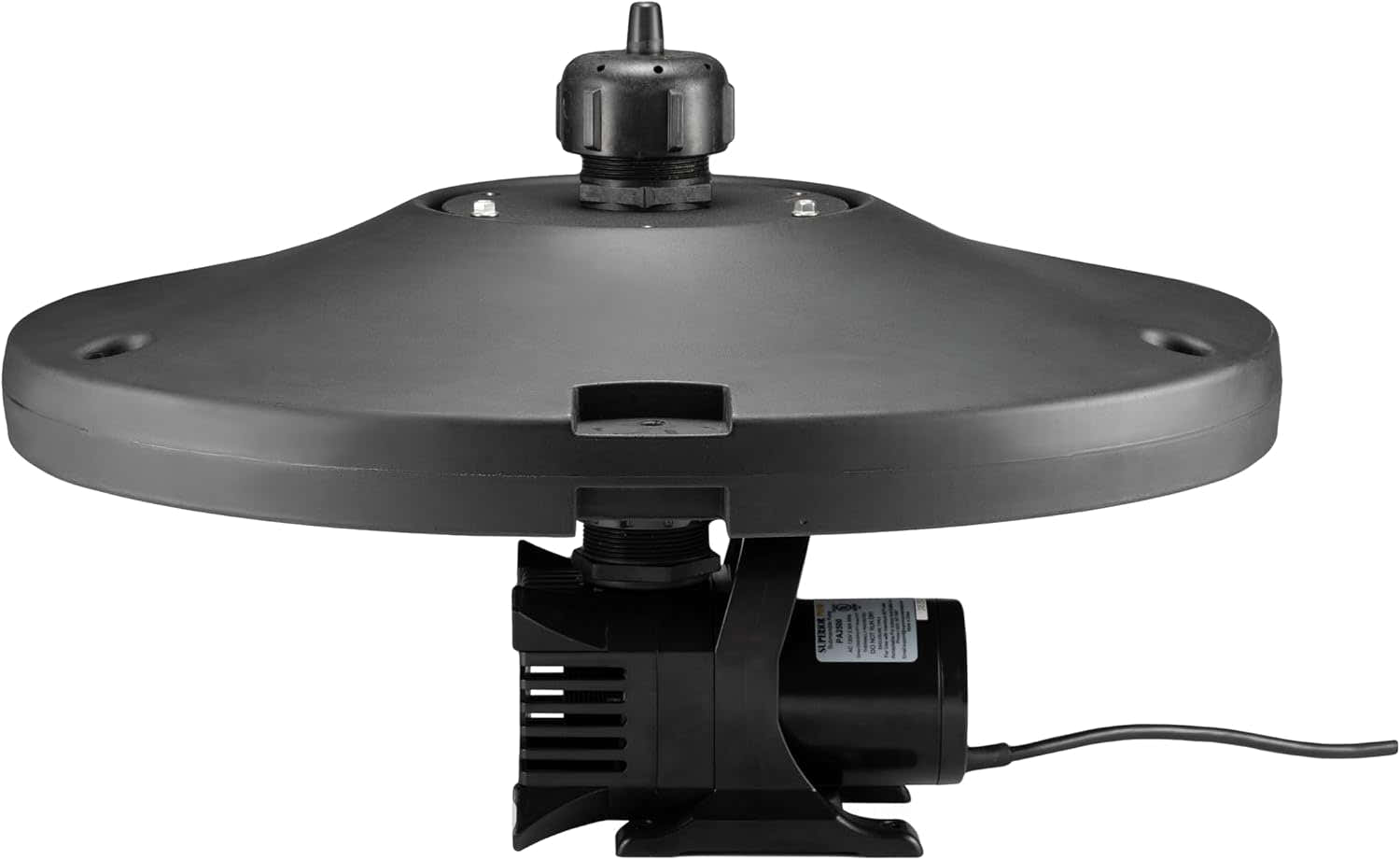


Scott Aerator
115 Volt | Aquasweep | Dock Mount | Water Circulator | Muck Blaster
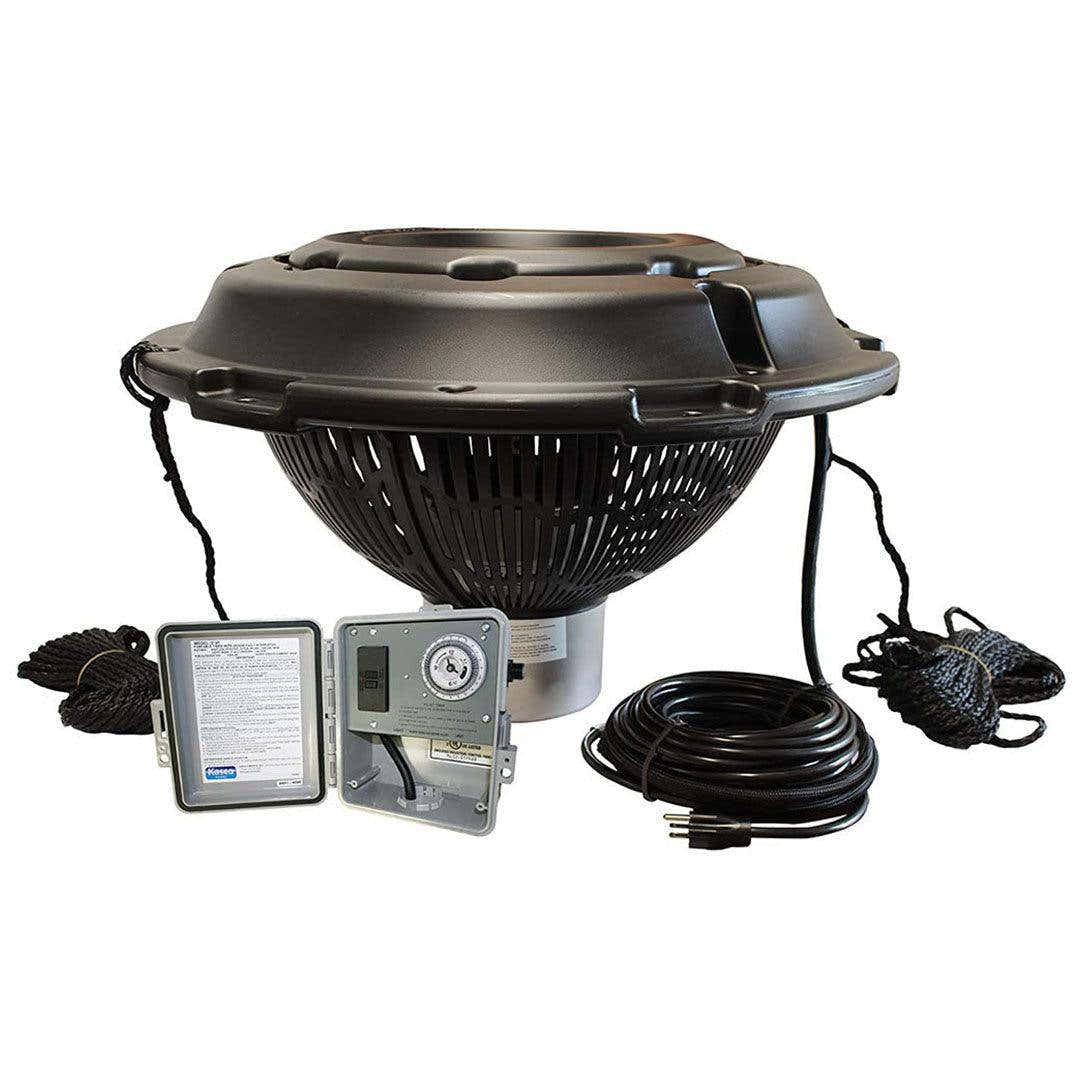
Kasco Marine
120V | VFX Series | Aerating Water Fountain | 1/2HP | 3/4HP | 1HP Rated 5.0 out of 5(5)
Not sure what your pond needs?
Take the 1-minute pond quiz
Answer a few quick questions and get a plan made for your pond, with the products that fit it.