


Table of contents
No headings found in this article.
The best fish for backyard ponds are goldfish, koi, shubunkins, rosy red minnows, mosquito fish, and, for larger natural ponds, bluegill or other sunfish. Goldfish and shubunkins are excellent choices for small to medium backyard ponds because they are hardy, colorful, and relatively easy to care for. Koi are better suited to larger, deeper ponds with strong filtration, while rosy red minnows work well in smaller ponds and wildlife-friendly setups. Mosquito fish can help control mosquito larvae where they are legal to keep, and bluegill are better reserved for large, natural-style ponds.

The right choice ultimately depends on your pond size, depth, water temperature, filtration, climate, and how much maintenance you want to handle.
Things to Consider Before Choosing Pond Fish
Before adding any fish to your pond, consider a few important factors. These include water depth, temperature range, filtration setup, and how large the fish may grow. Choosing fish without planning can lead to overpopulation or health issues.
In some areas, there are also local regulations that prevent the introduction of certain species. Always check with your regional wildlife or fishery authority.
Pond Size and Depth
Large fish like koi require deeper ponds—typically at least 3 feet deep—to stay healthy, especially in winter. Smaller ponds are better suited for fish like goldfish or minnows that don’t need much space or depth.
A good rule of thumb is 1 inch of fish per 10 gallons of water to avoid overcrowding.
Water Temperature and Climate
Cold winters or hot summers can affect which fish species survive in your pond. Some fish, like koi, can tolerate a range of temperatures but still need proper oxygen and depth during cold months.
If your pond regularly freezes, choose cold-tolerant species and consider adding a pond heater or aerator.
Filtration and Maintenance
The more fish you have, the more waste they produce. Without proper filtration, this waste turns into harmful ammonia and lowers oxygen levels. Some species, like koi, require strong biofilters, while others, like mosquito fish, produce little waste.
Always size your filter for both pond volume and fish load.
Local Laws or Restrictions
Invasive fish species—like certain carp or goldfish varieties—may be illegal to introduce in some regions. Before stocking, visit your state’s Department of Natural Resources or fishery office to confirm which species are allowed.
🔗 Invasive Species Info – U.S. Government
Best Overall Fish for Backyard Ponds
The fish below are widely used in backyard ponds due to their appearance, hardiness, and compatibility with different climates and pond sizes.
Koi

Koi are one of the most popular pond fish. They grow large (up to 2–3 feet), live for decades, and come in a variety of colors. However, they need at least 1,000 gallons of water and deep ponds with good filtration.
Koi are best suited for experienced pond owners with room to support their size and bio-load.
Goldfish

Goldfish are hardy, colorful, and adapt well to most pond conditions. Unlike koi, they stay smaller (usually under 10 inches) and don’t need deep water. Common types include comet, fantail, and wakin goldfish.
They’re a good choice for small to medium ponds and beginner pond owners.
Shubunkin

Shubunkins are a variety of single-tailed goldfish known for their calico colors and active swimming. They’re social and tough, making them ideal for smaller outdoor ponds or those with minimal heating.
They tolerate a wide temperature range and mix well with other peaceful fish.
Mosquito Fish (Gambusia affinis)

Mosquito fish are small, fast-breeding fish that eat mosquito larvae. They only grow about 1.5–2 inches long and can survive in shallow water, making them perfect for wildlife ponds or rainwater-fed basins.
They require very little maintenance and reduce pests naturally.
Bluegill or Sunfish (for large, natural-style ponds)

Native to North America, bluegill and sunfish are great for larger, rural ponds. They can handle fluctuating temperatures and survive with minimal intervention. These fish are often used in combination with bass for pond balance.
Avoid using them in small backyard ponds, as they can be aggressive or overcrowded easily.
Rosy Red Minnows

These peaceful, pale-orange minnows are great for small ponds. They breed easily, help keep the water clean by eating algae, and stay under 3 inches in length.
They are inexpensive, tolerate cold water, and do well in groups.
Cold-Tolerant Pond Fish Species
If you live in a region where winter temperatures drop below freezing, your fish must be able to handle cold water. Koi, goldfish, and rosy red minnows are cold-hardy and can survive as long as the pond is deep enough (at least 30 inches) and remains oxygenated.
A pond heater or aerator helps prevent total freezing and allows gas exchange, which keeps the fish alive under ice.
Best Fish for Small Backyard Ponds
In smaller ponds (under 500 gallons), it’s important to choose fish that stay small and produce less waste. Goldfish, mosquito fish, and rosy red minnows are the most suitable options.
Avoid adding too many fish at once. A crowded small pond will quickly develop ammonia problems and stress your fish.
Fish That Add Color and Movement to Your Pond
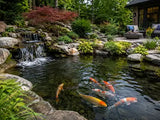
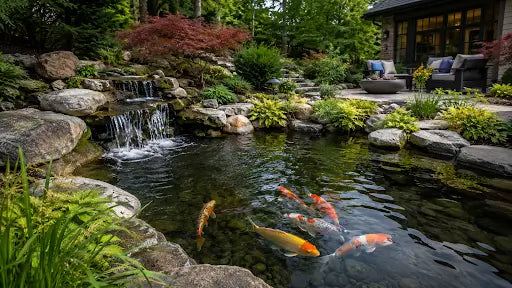
Colorful fish not only enhance the look of your pond but also make it easier to spot fish from the surface. Koi and shubunkins are particularly striking, with multicolored patterns that shimmer in the sunlight.
Fantail goldfish are also a favorite for their double tails and vibrant hues, ideal for shallow decorative ponds.
Which Fish Can Live Together Peacefully?
When mixing fish, choose species with similar sizes, diets, and temperature needs. Schooling fish, such as goldfish and minnows, live well together. Avoid combining large koi with small fish, as the koi may accidentally eat them.
Also, avoid mixing aggressive fish like bluegill with more docile species unless you have a very large, natural-style pond.
Fish to Avoid for Small or Decorative Ponds
Some fish are better left out of small backyard ponds. Large species like common carp or catfish grow too fast, disturb plants, and produce a lot of waste. They also make the water cloudy by rooting through the pond bottom.
Always avoid releasing non-native or invasive fish into natural ponds, as this can harm local ecosystems.
Tips for Keeping Pond Fish Healthy
-
Keep your pond water clean and well-aerated
-
Use pond-safe fish food and avoid overfeeding
-
Test water regularly for ammonia, nitrite, and pH
-
Add aquatic plants to provide shade and shelter
-
Quarantine new fish for at least 2 weeks before adding them
🔗 EPA: Pond Water Management Tips
Conclusion: What Are the Best Fish for Backyard Ponds?
The best fish for backyard ponds are goldfish, koi, shubunkins, rosy red minnows, mosquito fish, and sunfish. These species are popular because they are hardy, visually appealing, and adapt well to various pond sizes and climates. Goldfish and minnows are ideal for small or beginner-friendly ponds, while koi and sunfish are better suited for larger ponds with strong filtration and depth.
To choose the right fish, match the species to your pond's size, climate, and maintenance level. Always avoid overcrowding and check local regulations before adding fish.
Popular with pond owners

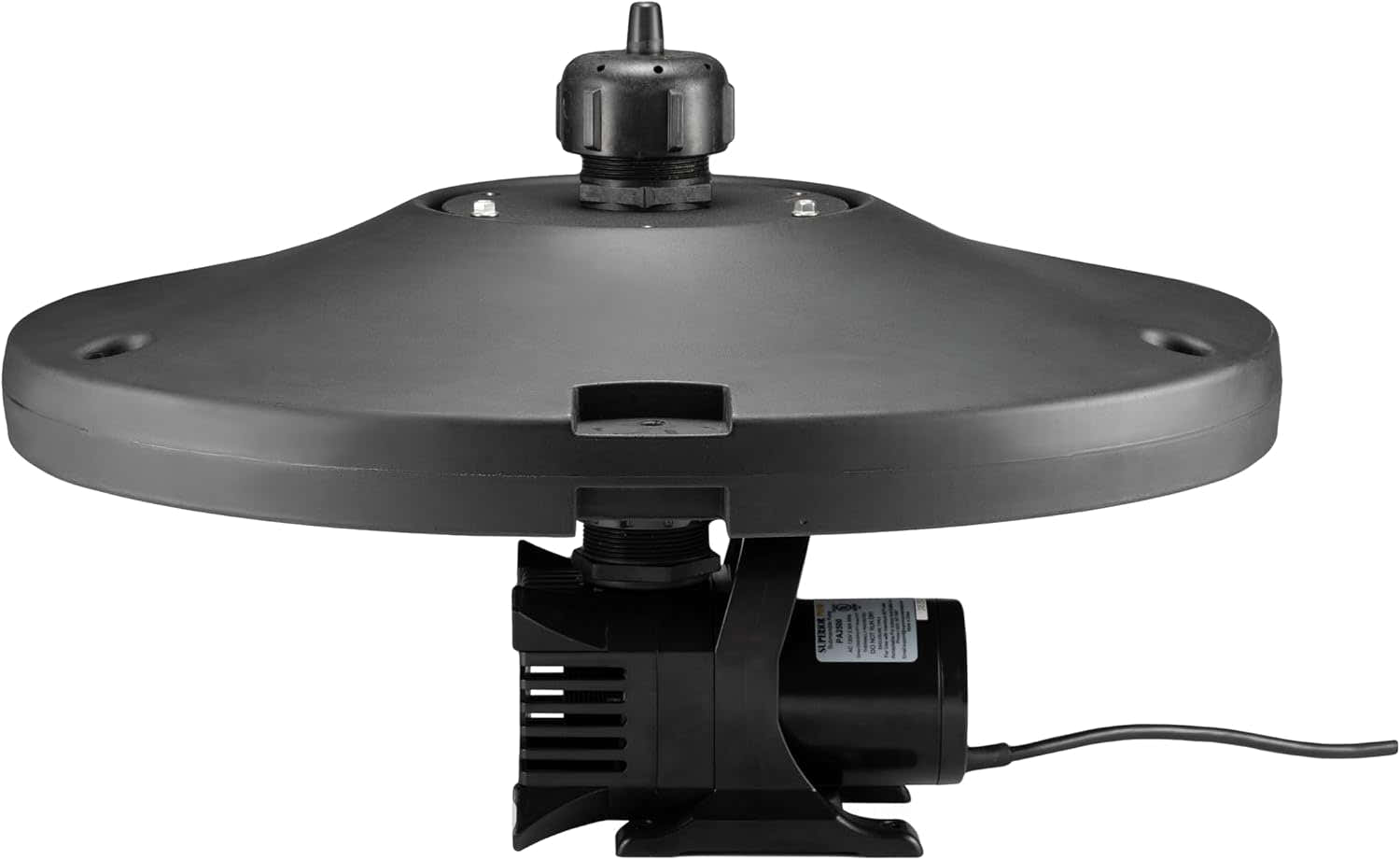


Scott Aerator
115 Volt | Aquasweep | Dock Mount | Water Circulator | Muck Blaster
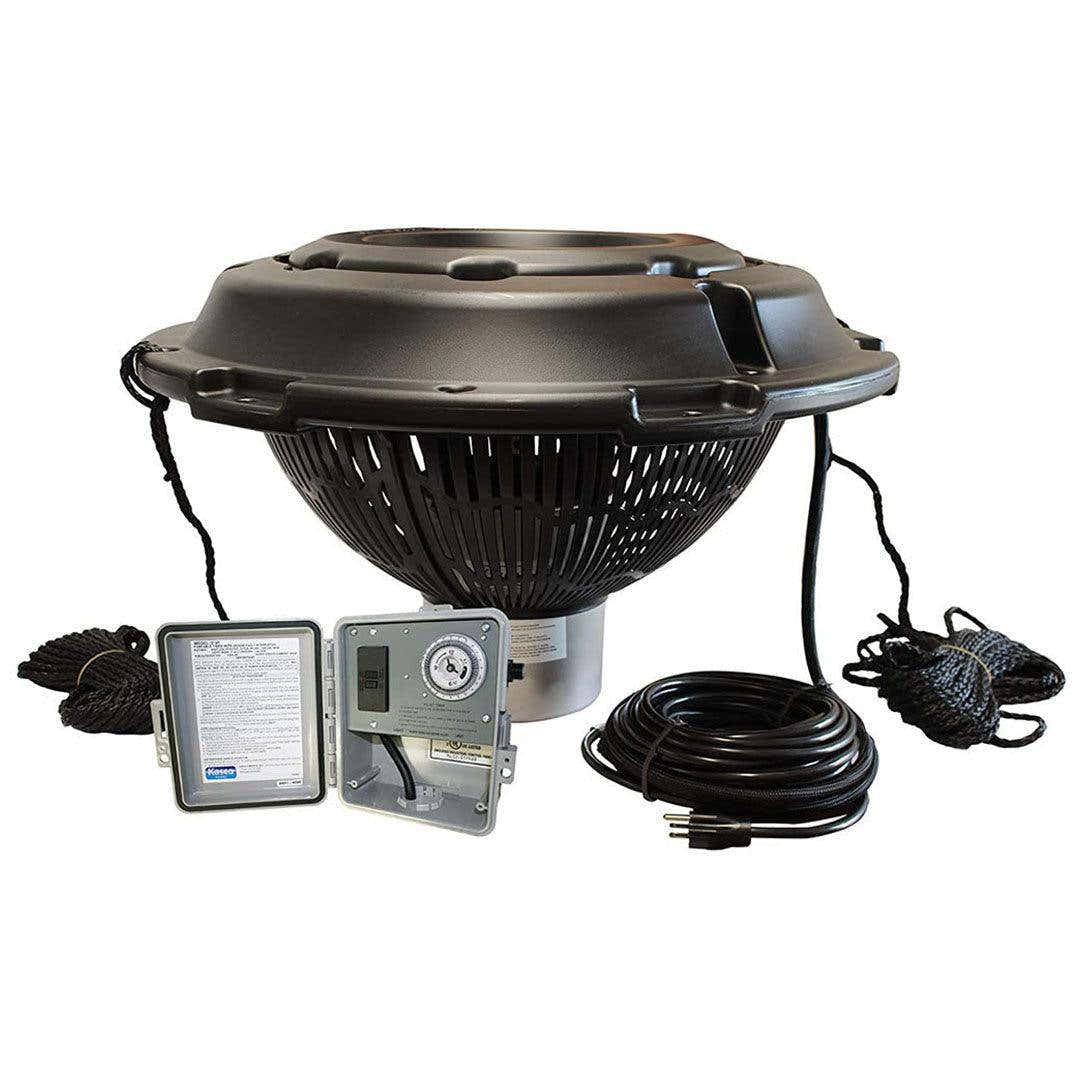
Kasco Marine
120V | VFX Series | Aerating Water Fountain | 1/2HP | 3/4HP | 1HP Rated 5.0 out of 5(5)
Not sure what your pond needs?
Take the 1-minute pond quiz
Answer a few quick questions and get a plan made for your pond, with the products that fit it.