


Table of contents
No headings found in this article.
Frogs are common visitors to garden ponds, water gardens, and backyard ecosystems across North America. Whether you're managing a koi pond or a natural wildlife habitat, understanding what frogs eat helps maintain balance. But what exactly do frogs eat in a pond? And is it safe to keep them with your fish?
Let’s dive in.
What Do Frogs Eat?
Frogs are carnivorous, which means they primarily eat other animals, usually small, live ones. Their diet depends on their size and species, but pond frogs typically eat:
-
Insects (flies, mosquitoes, beetles, etc.)
-
Worms
-
Spiders
-
Snails
-
Slugs
-
Small fish
-
Tadpoles (including their species)
-
Aquatic invertebrates
Some frogs, like the green frog or leopard frog, hunt near the water’s edge, while others, like water frogs, may hunt underwater. They rely on quick reflexes and sticky tongues to snatch prey.
Frog Diet Chart: Common Pond Foods
| Frog Food | Common in Ponds? | Pond Owner Concern |
|---|---|---|
| Mosquito larvae | Yes | Helpful pest control |
| Flies and gnats | Yes | Helpful |
| Beetles and aquatic insects | Yes | Normal |
| Worms and slugs | Yes | Normal |
| Snails | Sometimes | Normal |
| Tadpoles | Yes | Can happen naturally |
| Small minnows | Sometimes | Watch small fish |
| Baby koi/goldfish | Possible | Risk with larger frogs |
| Adult koi/goldfish | Rare | Usually too large |
| Other frogs | Yes, especially bullfrogs | Can affect balance |
Do Frogs Eat Fish?
Yes, frogs do eat small fish, especially if the fish fit easily into their mouths. This includes tiny minnows, mosquito fish, and occasionally even young goldfish or koi fry.
Larger frogs, like bullfrogs, are more aggressive. They have powerful jaws and have been known to eat:
-
Goldfish
-
Small koi
-
Minnows
-
Even other frogs or small birds
If your pond is home to small fish or baby koi, it's smart to keep an eye on frog activity.
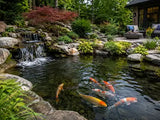
Keeping Both Fish and Frogs Together
It’s possible to keep frogs and fish together in the same pond, especially if you create the right balance.
Tips to help both thrive:
-
Provide hiding spots for small fish using aquatic plants or decorative rock caves.
-
Choose larger koi or goldfish that won’t fit in a frog’s mouth.
-
Avoid introducing bullfrogs, as they’re known to dominate and disturb other pond life.
-
Keep pond depth varied, shallow edges for frogs, deeper zones for fish.
Most green frogs and leopard frogs coexist peacefully with pond fish, especially in natural-style garden ponds.
Favourite Food of Frogs in a Pond
Frogs prefer live prey, and in a pond environment, their favorite meals include:
-
Mosquito larvae: Frogs help reduce mosquito populations naturally.
-
Algae-eating insects, like water beetles or larvae that can compete with fish.
-
Aquatic bugs: Like dragonfly nymphs and water striders.
-
Small minnows: Especially if fish populations are high and unbalanced.
-
Occasionally, frogs might nibble on aquatic plants or phytoplankton, but this is rare and not a major part of their diet.
Is It Beneficial to Have Frogs in a Pond?
Absolutely. Frogs play a vital role in the pond’s ecosystem. Here’s why:
Pest Control: Frogs eat insects, including pests that annoy humans or harm plants.
Biodiversity: A pond with frogs is likely a healthy, thriving ecosystem.
Education & Enjoyment: Kids and nature-lovers enjoy spotting tadpoles and frogs in the wild.
But keep in mind:
-
Frogs reproduce quickly, and too many may overhunt small fish or insects.
-
Large bullfrogs may disrupt the pond's balance.
Regular monitoring helps keep the population under control.
Conclusion
So, what do frogs eat in a pond? A mix of bugs, worms, small fish, and aquatic critters. While they help keep pests in check, larger frogs, especially bullfrogs, may eat more than you’d like, including goldfish or koi.
Want to keep both frogs and fish in harmony? Build a balanced pond with hiding spots, plant cover, and no overcrowding.
Frogs are a sign of a healthy pond. With the right setup, they’ll be welcome guests, not fish thieves.
Popular with pond owners



Scott Aerator
115 Volt | Aquasweep | Dock Mount | Water Circulator | Muck Blaster
Kasco Marine
120V | VFX Series | Aerating Water Fountain | 1/2HP | 3/4HP | 1HP Rated 5.0 out of 5(5)
Not sure what your pond needs?
Take the 1-minute pond quiz
Answer a few quick questions and get a plan made for your pond, with the products that fit it.