



Table of contents
No headings found in this article.
Use breathable covers—like pond nets, foam panels, or light frames—to protect your pond from snow and falling debris while still allowing air to move through. In colder regions, pairing a cover with a de-icer and aerator keeps the water open and your fish safe through winter.
Why Pond Covers Matter in Winter
Anyone who’s owned a pond through a Midwest winter knows how quickly things freeze. Once ice seals the surface, oxygen drops, gases build up, and fish start to struggle.
A good winter cover does more than just keep the snow out. It helps the pond hold warmth, blocks debris before it sinks, and protects pumps and aerators from freezing.
Below are practical cover setups that work well in real Midwest conditions.
1. Floating Pond Covers
Floating covers are simple and effective. Many pond owners use sheets of rigid foam or bubble insulation that rest directly on the water.
These covers hold in heat and slow down surface ice. Always leave a small area open for ventilation or run an aerator to move water under the cover.
Best for small ponds or short cold snaps.
Shop Kasco De-icers and Pond Aerators for easy winter setups.
2. Pond Net Covers
A pond net keeps leaves and small branches from sinking and breaking down under the ice.
Use a UV-resistant mesh net and secure it tightly with stakes or rope so wind doesn’t pull it loose. Set it up before the leaves start falling, and you’ll have clearer water and an easier spring cleanup.
Find Pond Nets & Covers at Midwest Ponds.
3. Frame-Style Covers
If your area gets heavy snow, build a light frame from PVC or aluminum tubing and stretch clear plastic or a tarp over it.
A simple A-frame or dome sheds snow naturally and keeps pressure off the pond. Cut a few vent holes or leave a small gap for airflow. With an aerator running underneath, oxygen stays steady, and the surface rarely seals over.
Ideal for koi ponds or exposed backyards.
4. Greenhouse-Style Enclosures
For permanent or large koi ponds, a small greenhouse setup works extremely well. Use clear panels or greenhouse film over a simple frame to trap sunlight and keep the water from freezing solid.
Leave vent flaps open to prevent condensation and keep air moving. Many pond owners in Wisconsin and Minnesota rely on this setup all winter long.
Best for large ponds that stay active year-round.
5. Rigid or Modular Panels
DIY builders often cover ponds with lightweight corrugated plastic or fiberglass panels. They’re strong enough to handle snow but easy to remove in spring.
Cut them to fit your pond or hinge them to a wooden frame for access. Leave one side slightly open to let air in.
Great for mid-size ponds that need solid, reusable protection.
6. Insulated Covers for Deep Freeze
In northern states where the cold sticks around, add insulation. Foam boards or closed-cell panels keep heat in and protect shallow ponds that might otherwise freeze solid.
Combine this setup with a small floating de-icer to keep a vent hole open and oxygen moving.
Best for shallow ponds in January and February.
7. The Hybrid Approach
The most reliable winter setup mixes everything:
-
A cover to block debris and trap warmth,
-
An aerator to keep water circulating, and
-
A de-icer to keep an open vent for gases.
Used together, they create a stable environment so koi and goldfish can rest comfortably until spring.
Simple Winter Maintenance Tips
-
Leave a small vent for airflow.
-
Avoid heavy tarps that sag under snow.
-
Tie corners down tightly against the wind.
-
Brush snow off the cover after each storm.
-
Use a floating thermometer to check the temperature without breaking the ice.
A quick weekly check can prevent costly problems later.
Conclusion
A pond cover isn’t just for looks—it’s insurance for your fish and your equipment. Whether you build a simple frame or a full greenhouse, the key is keeping oxygen moving and the pond surface from sealing tight.
At Midwest Ponds, we stock gear tested through real Midwest winters—from de-icers to aerators that keep running when the temperature drops.
FAQs
1. How do you keep a pond from freezing over in winter?
To keep your pond from freezing, use a de-icer and an aerator under a breathable cover. The de-icer keeps a small hole open in the ice, while the aerator circulates oxygen. This setup prevents gas buildup and keeps fish safe through long Midwest cold spells.
2. What is the best cover to protect a koi pond in cold weather?
A framed or greenhouse-style cover with clear panels works best for koi ponds. It traps sunlight, reduces ice buildup, and keeps equipment from freezing. The structure should allow ventilation, so oxygen levels stay steady while maintaining warmth under the cover.
3. Can you cover a pond completely during winter?
Never seal a pond completely. Always leave an open vent or use a de-icer to let gases escape. A fully sealed pond traps carbon dioxide and harmful gases, which can quickly harm fish. Breathable materials and proper airflow are key to healthy overwintering.
4. How do I make a DIY pond cover for snow protection?
Build a simple PVC or wooden frame over the pond and stretch clear plastic or corrugated panels on top. Angle the surface so snow slides off easily. Leave side gaps or drill small vents to allow air exchange and prevent gas buildup under the cover.
5. Do pond covers help fish survive freezing temperatures?
Yes. A pond cover traps warmth and keeps surface water from freezing solid. It also blocks debris and maintains oxygen levels when combined with an aerator and de-icer. This helps koi and goldfish rest safely through harsh winter months.
Popular with pond owners

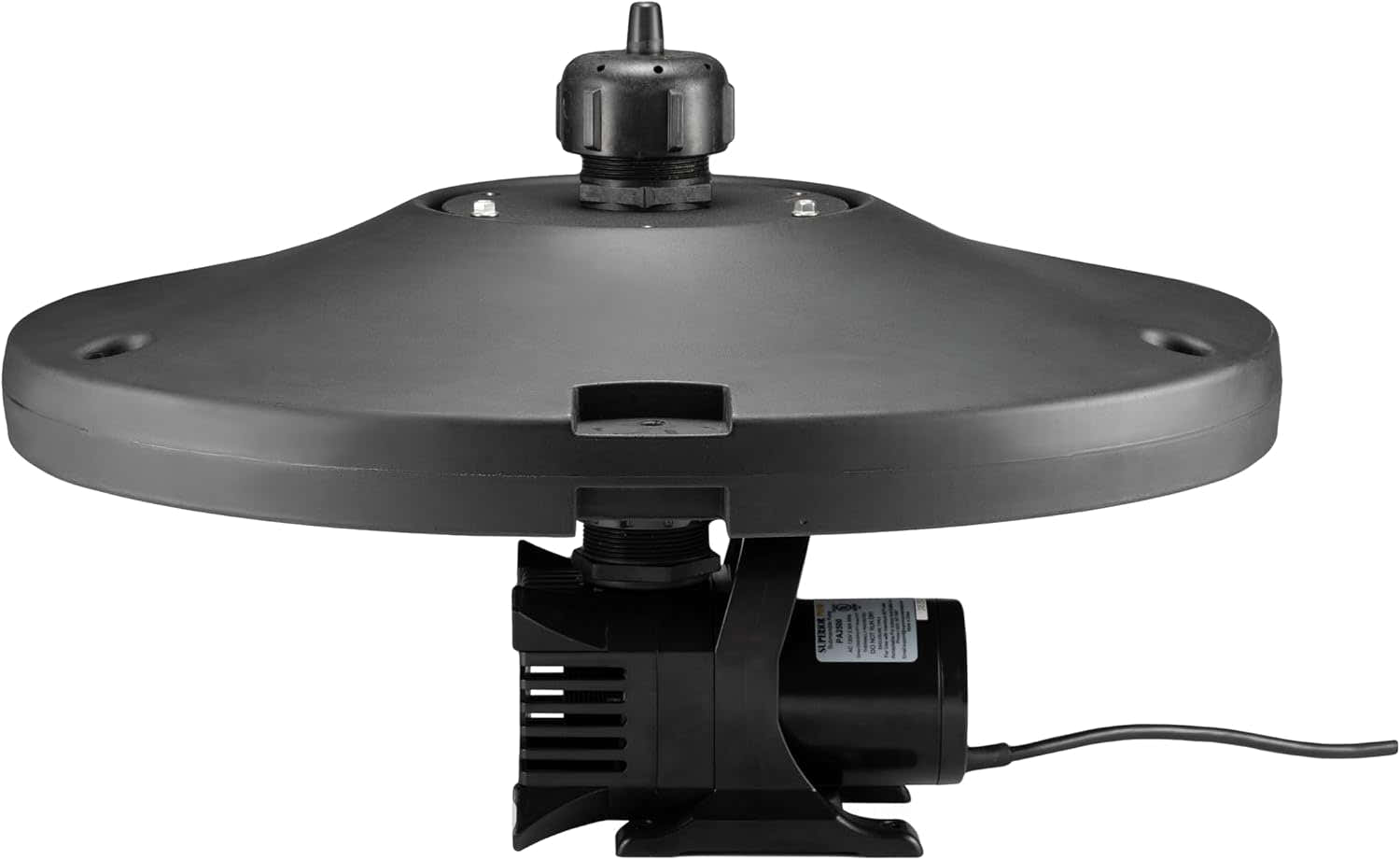


Scott Aerator
115 Volt | Aquasweep | Dock Mount | Water Circulator | Muck Blaster
Kasco Marine
120V | VFX Series | Aerating Water Fountain | 1/2HP | 3/4HP | 1HP Rated 5.0 out of 5(5)
Not sure what your pond needs?
Take the 1-minute pond quiz
Answer a few quick questions and get a plan made for your pond, with the products that fit it.